Are special springs used in musical instruments?
Musical instruments are a wonderful blend of art and science, creating harmonious sounds that touch the soul. While the spotlight often falls on the visible parts of these instruments like strings, keys, and bellows, there are many unsung heroes working behind the scenes to ensure their proper functioning. One such crucial yet often overlooked component is the special spring. As a special spring supplier, I have had the privilege of witnessing firsthand how these unique springs play a vital role in the world of musical instruments.
The Basics of Special Springs
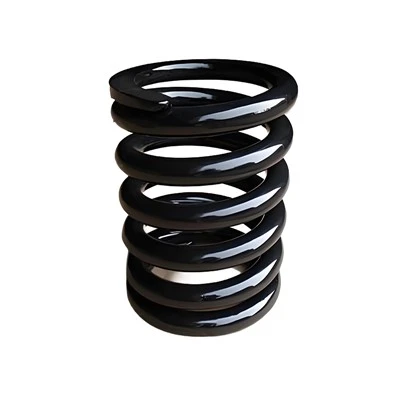
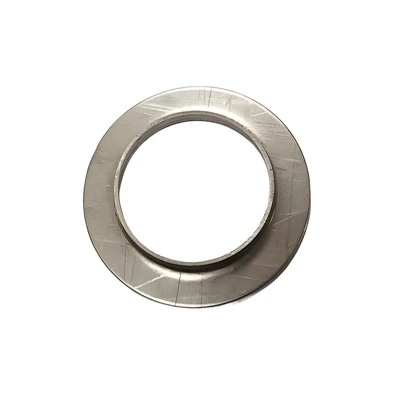
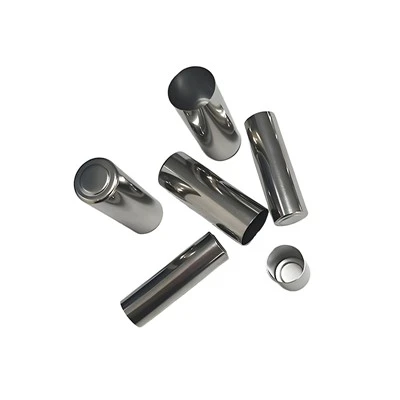
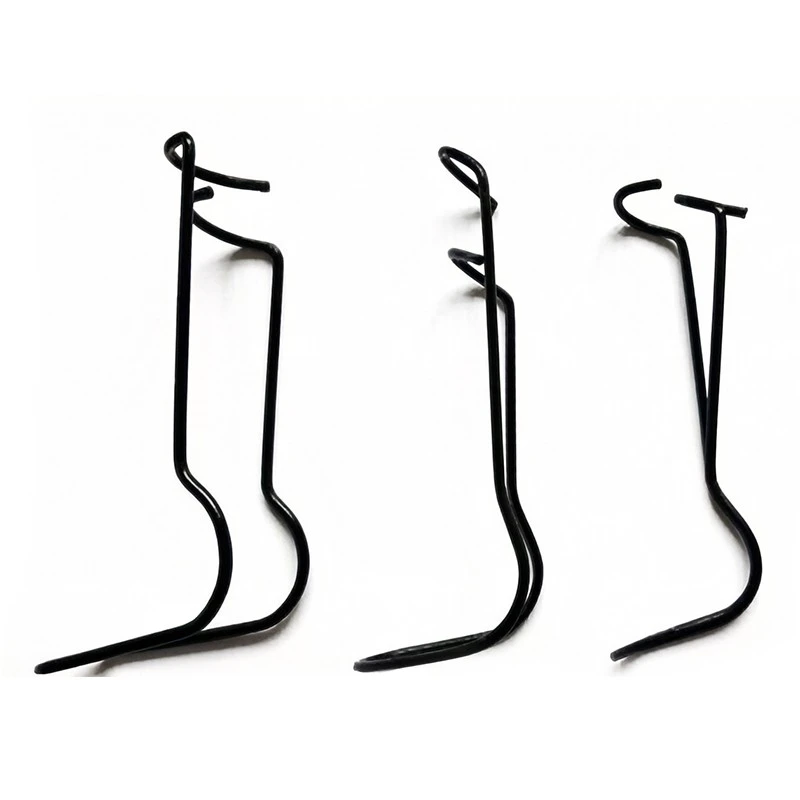
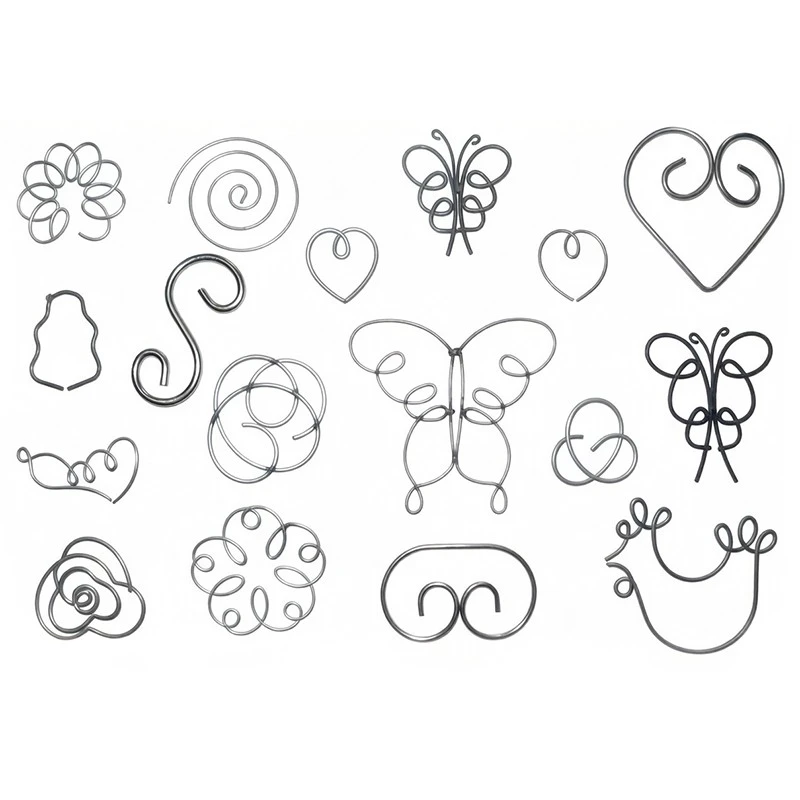
Before delving into their use in musical instruments, it's essential to understand what special springs are. Special springs are not your typical off - the - shelf springs. They are custom - designed to meet specific requirements in terms of shape, size, material, and performance. These springs can come in various forms, including Hollow Spring and Special Shaped Spring, which are engineered to fit precisely in the complex mechanisms of different instruments.
The materials used for special springs also vary widely. For instance, Steel Special Shaped Spring is a popular choice due to its high strength, durability, and ability to withstand repeated stress. Other materials like brass, bronze, and titanium may also be used depending on the specific needs of the instrument.
Special Springs in Wind Instruments
Wind instruments, such as saxophones, clarinets, and trumpets, rely on special springs for several important functions. In saxophones and clarinets, the keys are connected to the instrument body using springs. These springs ensure that the keys return to their original position after being pressed, allowing for smooth and rapid playing. The precise tension of these springs is crucial; if the spring is too loose, the key may not close properly, causing air leakage and affecting the tone. On the other hand, if it is too tight, it can make the instrument difficult to play, especially for beginners.
In trumpets and other brass instruments, special springs are used in the valve mechanisms. The valves are used to change the length of the tubing, altering the pitch of the notes. The springs in the valve system help to ensure that the valves open and close quickly and smoothly. A well - functioning spring in the valve mechanism is essential for accurate intonation and fast, fluid playing.
Special Springs in Percussion Instruments
Percussion instruments also make extensive use of special springs. In drum kits, for example, the hi - hat cymbals are controlled by a pedal mechanism that uses a spring. The spring provides the resistance needed to open and close the cymbals smoothly. The tension of the spring can be adjusted to suit the player's preference, allowing for a wide range of playing styles.
In tambourines, small springs are often used to hold the jingles in place. These springs not only keep the jingles securely attached but also contribute to the unique sound of the tambourine. When the tambourine is shaken, the jingles vibrate against the springs, creating a bright, jingling sound.
Special Springs in Stringed Instruments
Stringed instruments, such as guitars and violins, may not seem to rely on springs at first glance. However, there are still some areas where special springs are used. In electric guitars, for example, the tremolo system (also known as the whammy bar) uses springs. The tremolo system allows the player to bend the pitch of the strings by changing the tension. The springs in the tremolo system are responsible for restoring the strings to their original pitch after the bar is released. The number and tension of the springs can be adjusted to achieve different levels of tremolo effect.
In some high - end violins, special springs may be used in the fine - tuning mechanisms. These springs help to make small adjustments to the tension of the strings, allowing for precise intonation.
The Importance of Quality Special Springs
The quality of special springs used in musical instruments is of utmost importance. A poorly made spring can have a significant impact on the performance of the instrument. For example, a spring with inconsistent tension in a wind instrument key can cause the key to stick or not close properly, resulting in a poor - sounding note. In a percussion instrument, a weak spring may not provide enough resistance, leading to a lack of control.
As a special spring supplier, we understand the critical role that our products play in musical instruments. We use advanced manufacturing techniques and high - quality materials to ensure that our springs meet the strictest standards. Our team of engineers works closely with instrument manufacturers to design and produce springs that are tailored to the specific needs of each instrument.
Customization for Musical Instruments
One of the key advantages of special springs is their ability to be customized. Different musical instruments have different requirements, and a one - size - fits - all approach simply won't work. For example, a professional saxophonist may require a spring with a different tension than an amateur player. Our company offers a wide range of customization options, including different materials, shapes, sizes, and tensions.
We also understand that the aesthetics of the springs can be important, especially for high - end musical instruments. We can finish the springs in various ways, such as polishing or coating, to match the overall look of the instrument.
Future Trends in Special Springs for Musical Instruments
As technology advances, the demand for more advanced special springs in musical instruments is likely to increase. There is a growing trend towards using lighter and stronger materials, such as carbon fiber - reinforced polymers, in spring manufacturing. These materials can offer better performance in terms of weight, durability, and corrosion resistance.
In addition, the use of smart materials in springs is an area of active research. Smart materials can change their properties in response to external stimuli, such as temperature or electrical current. This could potentially lead to the development of springs that can automatically adjust their tension based on the playing conditions, improving the performance of the instrument.
Contact Us for Your Special Spring Needs
If you are an instrument manufacturer or a musician looking for high - quality special springs for your musical instruments, we are here to help. Our extensive experience in the field of special spring manufacturing, combined with our commitment to quality and customization, makes us the ideal partner for your spring needs. Whether you need a Hollow Spring, Special Shaped Spring, or Steel Special Shaped Spring, we can provide you with the perfect solution. Contact us today to discuss your requirements and start a partnership that will enhance the performance of your musical instruments.
References
- Fletcher, N. H., & Rossing, T. D. (1998). The Physics of Musical Instruments. Springer.
- Benade, A. H. (1976). Fundamentals of Musical Acoustics. Dover Publications.
- Backus, J. (1977). The Acoustical Foundations of Music. W. W. Norton & Company.