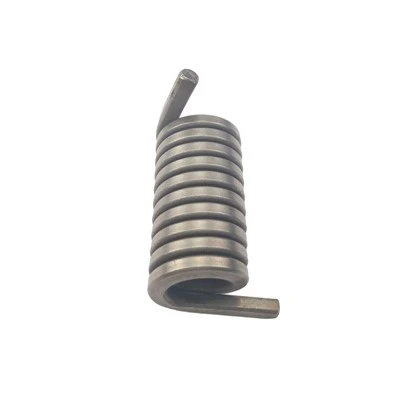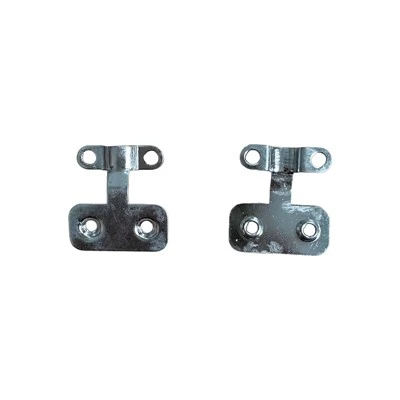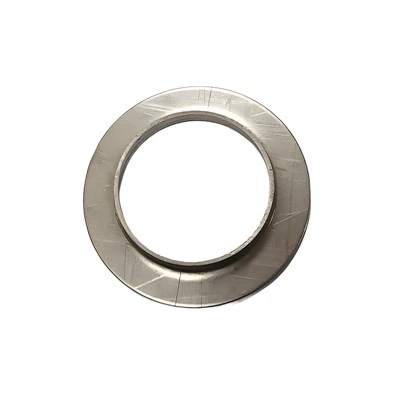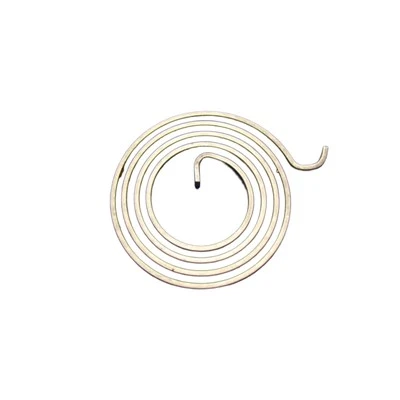
Hey there! As a supplier of Hardware Stamping Parts, I've seen firsthand how crucial flatness is in these parts. Whether it's for Formed Flange Metal Parts, Manganese Steel Stamping Parts, Electrical Stamping Parts, C45 Steel Stamping Parts, or Conveyor Metal Parts, flatness can make or break the functionality and quality of the final product. So, let's dive into how we can ensure the flatness of hardware stamping parts.
1. Material Selection
The first step in ensuring flatness starts with the material. We need to pick the right type of metal. Different metals have different properties like elasticity, hardness, and ductility. For example, if we're making C45 Steel Stamping Parts, we know that C45 steel is a medium carbon steel with good strength and machinability. But we also have to consider its tendency to warp during the stamping process.
We should source materials from reliable suppliers. A good supplier will provide materials that are consistent in thickness and quality. Inconsistent material thickness can lead to uneven stress distribution during stamping, which in turn causes the parts to be uneven. Also, we need to check the material for any pre - existing defects, like scratches or dents, as these can affect the flatness of the final stamped part.
2. Tooling Design and Maintenance
The stamping tool is like the heart of the stamping process. A well - designed tool can significantly improve the flatness of the parts. The cutting edges of the tool should be sharp and properly aligned. Dull cutting edges can cause excessive deformation of the material during stamping, leading to non - flat parts.
We also have to pay attention to the clearance between the punch and the die. If the clearance is too large, the material will deform more freely, increasing the chances of the part being non - flat. On the other hand, if the clearance is too small, it can cause excessive force on the material, which may also result in uneven parts.
Regular maintenance of the stamping tools is a must. This includes cleaning the tools after use, lubricating moving parts, and sharpening the cutting edges when needed. If the tools are not maintained properly, they can wear out unevenly, and this will directly affect the flatness of the stamped parts.
3. Stamping Process Control
The stamping process itself needs to be carefully controlled. The stamping speed is an important factor. If the stamping speed is too high, the material may not have enough time to deform evenly, leading to non - flat parts. We need to find the optimal stamping speed for each type of material and part design.
The pressure applied during stamping also matters a lot. The pressure should be evenly distributed across the entire surface of the material. Uneven pressure can cause the material to bend or warp. We can use pressure sensors to monitor and adjust the pressure in real - time during the stamping process.
Another aspect of process control is the number of stamping operations. Sometimes, a single stamping operation may not be enough to achieve the desired flatness. In such cases, multiple stamping operations may be required. However, each additional operation also increases the risk of damage to the part's flatness, so we have to be very careful.
4. Post - Stamping Inspection and Correction
After the stamping process, a thorough inspection of the parts is necessary. We can use various inspection methods, such as visual inspection, where we look for obvious signs of unevenness, like waves or bends on the surface of the part. We can also use precision measuring tools, like calipers and micrometers, to measure the thickness and flatness of the part at different points.
If any non - flat parts are detected during the inspection, we need to correct them. One common method is heat treatment. By heating the part to a specific temperature and then cooling it slowly, we can relieve the internal stresses that cause the part to be non - flat. Another method is mechanical correction, where we use presses or rollers to flatten the part.


5. Quality Management System
A good quality management system is essential for ensuring the flatness of hardware stamping parts. We need to set up clear quality standards for flatness and ensure that all employees are aware of these standards. Regular training for the workers involved in the stamping process can help them understand the importance of flatness and how to achieve it.
We should also keep detailed records of the stamping process, including the material used, stamping parameters, and inspection results. These records can be used for traceability and continuous improvement. If we notice a pattern of non - flat parts, we can analyze the records to identify the root cause and take corrective actions.
6. Environmental Factors
Environmental factors can also have an impact on the flatness of hardware stamping parts. Temperature and humidity can affect the properties of the material. For example, in a very hot environment, the metal may expand, and if the stamping process is not adjusted accordingly, it can lead to non - flat parts.
We need to control the environment in the stamping workshop. This can be achieved by installing air - conditioning systems to maintain a stable temperature and humidity level. Also, we should protect the parts from dust and other contaminants, as these can cause scratches or other surface defects that may affect flatness.
Now, ensuring the flatness of hardware stamping parts is a multi - faceted process that involves everything from material selection to environmental control. As a supplier, we're committed to delivering high - quality parts with excellent flatness. If you're in the market for quality Formed Flange Metal Parts, Manganese Steel Stamping Parts, Electrical Stamping Parts, C45 Steel Stamping Parts, or Conveyor Metal Parts, don't hesitate to reach out to us for a procurement discussion. We'll be happy to work with you to meet your specific needs.
References
- Smith, J. "Fundamentals of Metal Stamping". 2018.
- Johnson, A. "Quality Control in Hardware Stamping". 2020.
- Thompson, B. "Material Selection for Stamping Processes". 2019.