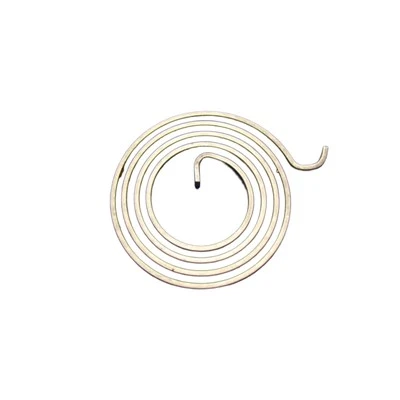
Can stamping parts be used in high - temperature environments? This is a question that often arises in various industrial applications where high - temperature conditions are present. As a stamping parts supplier, I have in - depth knowledge and experience regarding the performance of stamping parts under different environmental conditions. In this blog, I will analyze whether stamping parts can be used in high - temperature environments and the relevant factors to consider.
Understanding Stamping Parts
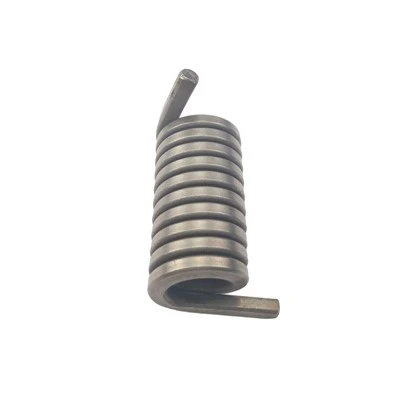
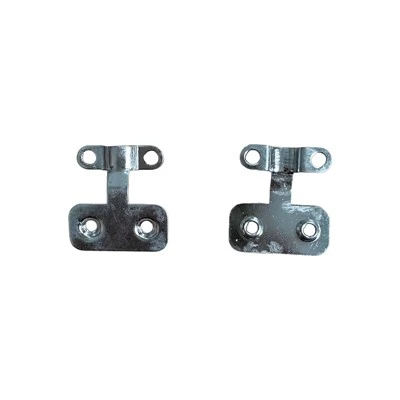
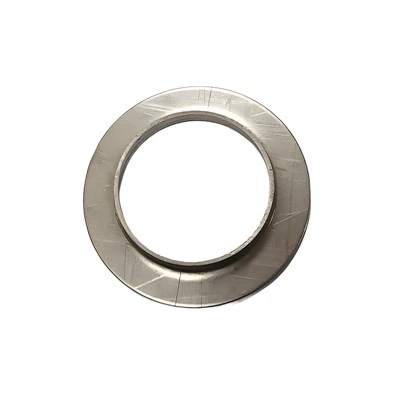
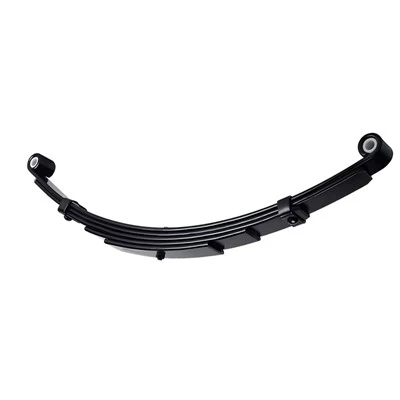
Stamping parts are essential components in many industries, including automotive, aerospace, and machinery manufacturing. These parts are produced through a stamping process, which involves using a press to shape metal sheets or strips into the desired forms. We offer a wide range of stamping parts, such as Hardware Stamping Parts, Bent Metal Parts, Mechanical Stamping Parts, Conveyor Metal Parts, and Formed Flange Metal Parts.
Factors Affecting the Use of Stamping Parts in High - Temperature Environments
Material Selection
The material of stamping parts is the most crucial factor determining their performance in high - temperature environments. Different metals have different melting points, thermal expansion coefficients, and oxidation resistances.
- Carbon Steel: Commonly used in stamping parts, carbon steel has relatively low cost. However, its performance at high temperatures is limited. When the temperature rises, carbon steel may lose its strength and hardness due to phase changes within the metal structure. For example, at temperatures above 400 - 500°C, the strength of carbon steel starts to decline significantly, and oxidation becomes more severe, leading to surface corrosion and potential structural damage.
- Stainless Steel: Stainless steel contains chromium, which forms a protective oxide layer on the surface. This oxide layer helps to resist oxidation and corrosion at relatively high temperatures. Some grades of stainless steel, such as austenitic stainless steel, can maintain good mechanical properties at temperatures up to 800 - 900°C. For instance, in applications like exhaust systems in automotive or aerospace industries where high - temperature resistance is required, stainless - steel stamping parts are often a good choice.
- Alloy Steels: Alloy steels are designed by adding various alloying elements to improve their high - temperature performance. For example, steels with added molybdenum, vanadium, or nickel can have enhanced strength and creep resistance at elevated temperatures. These alloy steels are suitable for applications in high - temperature machinery and power generation.
Design and Manufacturing Process
The design and manufacturing process of stamping parts also play important roles in their ability to withstand high temperatures.
- Design: A well - designed stamping part should consider thermal expansion. When heated, the metal will expand, and if there is no proper allowance for this expansion in the design, it can lead to internal stresses, deformation, or even cracking. For example, in a complex - shaped stamping part with multiple bends and connections, the design should ensure that the structure can accommodate the thermal expansion without causing excessive stress concentration.
- Manufacturing Process: The manufacturing process of stamping parts can affect their internal structure and residual stress. Parts with high internal stresses are more prone to cracking or distortion under high - temperature conditions. Heat treatment processes after stamping can be used to relieve internal stresses and improve the material's high - temperature performance. For instance, annealing can reduce the hardness and internal stress of the stamping part, making it more stable at high temperatures.
Applications of Stamping Parts in High - Temperature Environments
Despite the challenges, stamping parts are indeed used in many high - temperature applications.


Automotive Industry
In the automotive industry, stamping parts are used in the engine and exhaust systems. Exhaust manifolds, for example, are exposed to high temperatures due to the hot exhaust gases. Stainless - steel stamping parts are commonly used in exhaust manifolds because of their high - temperature oxidation resistance and good mechanical strength at elevated temperatures. These parts need to maintain their shape and structural integrity over a long period of use under high - temperature cycling conditions.
Aerospace Industry
In aerospace applications, stamping parts are used in various components of the aircraft engines, such as turbine blades and combustion chambers. These parts are made from high - performance alloys that can withstand extremely high temperatures. For example, nickel - based superalloys are often used to manufacture stamping parts for aerospace engines. These alloys have excellent high - temperature strength, creep resistance, and oxidation resistance, which are essential for the safe and efficient operation of aircraft engines.
Power Generation Industry
In power plants, stamping parts are used in boilers, turbines, and other high - temperature equipment. For instance, in a steam turbine, stamping parts are used in the blade and diaphragm assemblies. These parts need to operate at high temperatures and high pressures for long periods. Alloy steels with high - temperature performance are selected to ensure the reliability and durability of the power generation equipment.
Challenges and Solutions
Using stamping parts in high - temperature environments also presents some challenges.
Oxidation and Corrosion
As mentioned earlier, oxidation and corrosion can occur at high temperatures, especially for some metals. To address this issue, surface treatments can be applied to stamping parts. For example, coating the stamping parts with ceramic or thermal barrier coatings can improve their oxidation resistance. These coatings act as a barrier, preventing the metal from direct contact with oxygen and other corrosive substances in the high - temperature environment.
Thermal Fatigue
Thermal fatigue is another common problem in high - temperature applications. Thermal cycling, which involves repeated heating and cooling, can cause cracks to form in the stamping parts. To mitigate thermal fatigue, materials with low thermal expansion coefficients can be selected, and the design of the stamping parts should be optimized to reduce stress concentration. Additionally, using advanced manufacturing processes, such as precision stamping and proper heat treatment, can improve the material's resistance to thermal fatigue.
Conclusion
In conclusion, stamping parts can be used in high - temperature environments, but several factors need to be considered, including material selection, design, and manufacturing process. With the right choice of materials, proper design, and appropriate manufacturing and surface treatment processes, stamping parts can perform well in high - temperature applications across various industries.
If you are in need of high - quality stamping parts for high - temperature environments or any other applications, we are here to provide you with professional solutions. Our extensive range of stamping parts, including Hardware Stamping Parts, Bent Metal Parts, Mechanical Stamping Parts, Conveyor Metal Parts, and Formed Flange Metal Parts, is designed to meet the diverse needs of our customers. Contact us for more information on our products and to discuss your specific requirements. We look forward to the opportunity to work with you and contribute to the success of your projects.
References
- ASM Handbook Volume 1: Properties and Selection: Irons, Steels, and High - Performance Alloys. ASM International.
- Metals Handbook Desk Edition. ASM International.
- "High - Temperature Materials and Their Applications" by Richard A. Rapp.