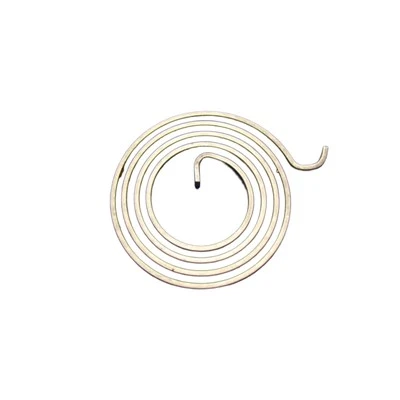
Hey there! I'm a supplier in the torsion spring game. Over the years, I've seen firsthand the crazy challenges that come with manufacturing high - precision torsion springs. In this blog, I'm gonna spill the beans on what those challenges are.
Material Selection and Consistency
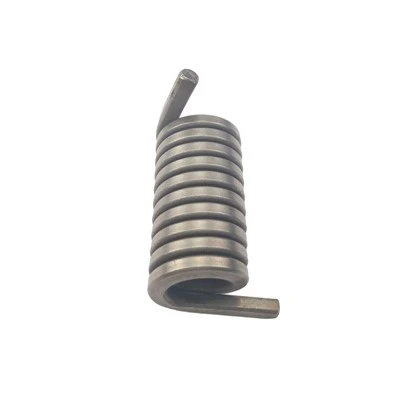
One of the biggest hurdles in making high - precision torsion springs is picking the right material. We've got options like Flat Wire Torsion Spring, Stainless Steel Torsion Spring, Carbon Steel Torsion Spring, Square Torsion Spring, and Round Wire Torsion Spring. Each material has its own unique properties.
For example, stainless steel is great for its corrosion resistance, which is a must - have in some environments. But it can be a real pain to work with because of its high strength and work - hardening characteristics. That means during the manufacturing process, it can quickly become too hard to shape, which messes up the precision of the spring.
Carbon steel, on the other hand, is more malleable and easier to form. But it's prone to rust if not properly treated. So, we've got to find the right balance between the material's mechanical properties and its environmental resistance.
And then there's the issue of material consistency. Even within the same batch of material, there can be slight variations in composition and properties. These variations might seem small, but they can have a huge impact on the performance of high - precision torsion springs. A small difference in the carbon content of carbon steel, for example, can change the spring's stiffness and fatigue life. We have to do a lot of testing on each batch of material to make sure it meets our strict standards.
Manufacturing Process Precision
The manufacturing process of high - precision torsion springs is a real tightrope walk. We use specialized machinery to wind the wire into the right shape, but even the tiniest deviation in the winding process can lead to big problems.
For instance, the pitch (the distance between each coil) has to be exactly right. If the pitch is too wide or too narrow, the spring won't perform as expected. One little mistake in the feeding speed of the wire or the rotation speed of the winding machine can throw off the pitch.
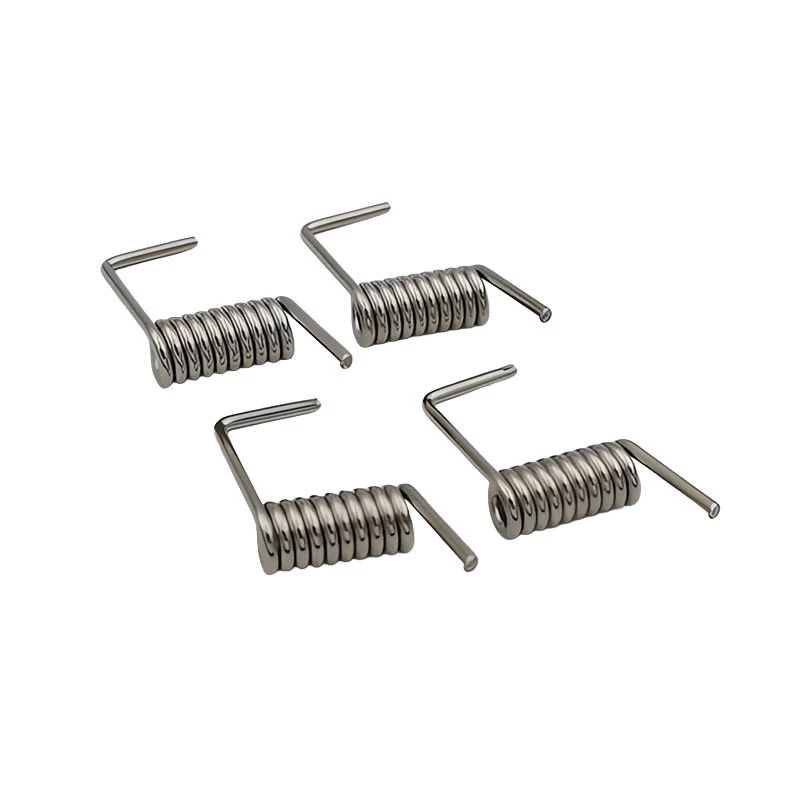
Another aspect is the forming of the spring ends. The ends of the torsion spring are crucial because they determine how the spring will be installed and how it will transfer torque. We have to bend the ends at precise angles and dimensions. Any error in the end forming can cause the spring to misalign in its application, leading to premature failure.
Heat treatment is also a critical step. It's used to improve the spring's strength and durability. But getting the heat treatment parameters just right is super tricky. If we heat the spring too much or not enough, or if we cool it too fast or too slow, the spring's internal structure will change in unpredictable ways. This can result in a spring that's either too brittle or not strong enough.
Quality Control and Inspection
Quality control is like a never - ending battle when it comes to high - precision torsion springs. We have to check every single spring to make sure it meets the required specifications.
We use a variety of measuring tools, like micrometers and calipers, to check the dimensions of the spring. But these tools have their limitations. Sometimes, the springs are so small or have such complex shapes that it's hard to get an accurate measurement.
We also test the spring's performance, such as its torque and deflection. This requires specialized testing equipment. But the testing environment can also affect the results. For example, temperature and humidity can slightly change the properties of the spring, which can make the test results less reliable.
And let's not forget about the human factor. When it comes to inspecting the springs, even the most experienced workers can make mistakes. A momentary distraction or fatigue can lead to a faulty spring slipping through the cracks.
Meeting Customer Requirements
Customers today have really high expectations when it comes to high - precision torsion springs. They want springs that are not only precise but also have long service lives. And they often have very specific requirements for the spring's performance, dimensions, and material.
For example, some customers might need a spring that can withstand a certain number of cycles without losing its elasticity. Meeting these cycle - life requirements can be a real challenge, especially when we're dealing with small - sized springs. Smaller springs have less material to distribute stress, which means they're more likely to fail under repeated loading.
Sometimes, customers also want custom - designed springs. This means we have to come up with new manufacturing processes and tools to meet their unique needs. It can be time - consuming and expensive, but it's necessary if we want to keep our customers happy.
Cost Management
Making high - precision torsion springs isn't cheap. Between the cost of high - quality materials, the investment in specialized machinery, and the expenses associated with quality control, costs can quickly add up.
We have to find a way to balance quality and cost. We can't just cut corners on materials or manufacturing processes because that would compromise the precision and performance of the springs. But at the same time, we need to find ways to reduce costs without sacrificing quality.
One way we try to do this is by optimizing our production processes. We look for ways to increase the efficiency of our machinery, reduce waste, and streamline our operations. But this takes a lot of time and effort, and there's always a limit to how much we can cut costs.
Conclusion
Manufacturing high - precision torsion springs is no walk in the park. From material selection and manufacturing process precision to quality control, meeting customer requirements, and cost management, there are so many challenges along the way. But despite these challenges, we're committed to producing the best possible torsion springs.
If you're in the market for high - precision torsion springs, whether it's Flat Wire Torsion Spring, Stainless Steel Torsion Spring, or any other type, I'd love to talk to you. We've got the experience and the expertise to meet your needs. Reach out and let's start a discussion about your torsion spring requirements!

References
- "Spring Design Handbook" - A comprehensive guide on spring design and manufacturing processes.
- Industry - specific research papers on high - precision spring manufacturing and quality control.