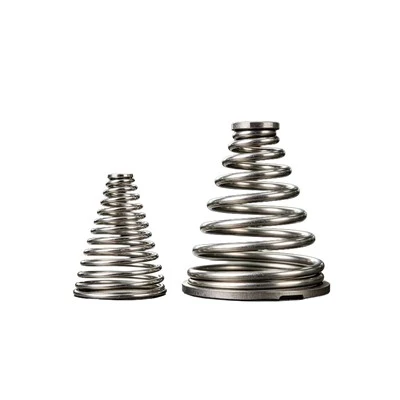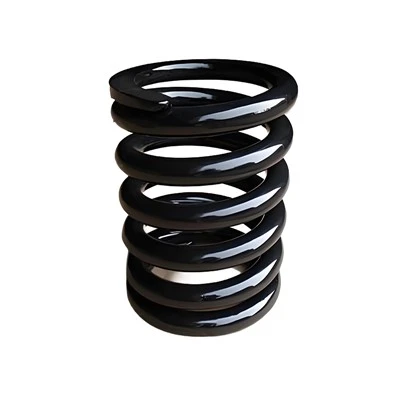
As a supplier of conical compression springs, I've often delved deep into the intricacies of these mechanical components. One aspect that stands out and significantly impacts their performance is the wire's cross - sectional shape. In this blog, we'll explore in detail how different cross - sectional shapes of the wire affect the conical compression spring's performance.
Mechanics of Conical Compression Springs
Before diving into the impact of wire cross - sectional shape, let's briefly understand the mechanics of conical compression springs. These springs are designed to operate under compressive forces, and their conical shape gives them unique characteristics compared to cylindrical compression springs. When a load is applied, the conical spring gradually collapses, with the smaller coils moving into the larger ones. This design provides a variable spring rate, which is useful in applications where a progressive increase in stiffness is required.
Influence of Different Wire Cross - Sectional Shapes
Circular Cross - Section
The circular cross - section is the most commonly used in conical compression springs. One of the key advantages of using a wire with a circular cross - section is its uniformity in stress distribution. When a load is applied, the circular cross - section allows the stress to be evenly spread around the circumference of the wire. This leads to a more predictable and stable performance of the spring.
The circular shape also offers excellent resistance to torsional forces. As the spring compresses, the wire experiences torsional stress due to the coil's deformation. The circular cross - section can handle these torsional stresses effectively, reducing the risk of premature failure. Additionally, circular cross - section wires are relatively easy to manufacture, which makes them a cost - effective choice for many applications.
However, circular cross - section wires have some limitations. In some high - performance applications, the circular shape may result in a relatively lower surface area compared to other cross - sectional shapes. This can impact heat dissipation, especially in applications where the spring is subject to high - frequency loading and generates significant heat.
Rectangular Cross - Section
Rectangular cross - section wires offer several unique advantages over circular ones. One of the main benefits is the increased surface area. This larger surface area allows for better heat dissipation, making rectangular cross - section springs ideal for applications with high - cycle fatigue and high - frequency loading.
The rectangular shape also provides a different stiffness characteristic. When compared to a circular cross - section wire of the same cross - sectional area, a rectangular cross - section can provide a higher spring rate in one direction. This anisotropic behavior can be exploited in applications where a specific stiffness in a particular direction is required.
For conical compression springs, the rectangular cross - section can also lead to a more compact design. In applications where space is limited, the rectangular cross - section can be arranged to optimize the overall size of the spring while still maintaining the required performance. However, the manufacturing process for rectangular cross - section wires is more complex and costly compared to circular ones.
Square Cross - Section
Similar to rectangular cross - sections, square cross - section wires offer an increased surface area compared to circular wires. This enhanced surface area aids in heat dissipation and can enhance the spring's fatigue life.
In terms of stiffness, square cross - section wires provide a more balanced stiffness compared to rectangular ones. The square shape has equal dimensions in both directions, which means that the spring rate is more consistent in different orientations. This can be advantageous in applications where the spring is subject to multi - directional loads.
The manufacturing of square cross - section wires is generally more straightforward than rectangular ones but still more complex than circular wires. The cost of square cross - section conical compression springs is usually between that of circular and rectangular cross - section springs.
Applications and Performance Requirements
Automotive Industry
In the automotive industry, conical compression springs are used in various applications such as suspension systems and engine valves. For suspension springs, the spring must be able to handle a wide range of loads while maintaining a comfortable ride. A circular cross - section wire may be a popular choice due to its predictable stress distribution and cost - effectiveness. However, in high - performance vehicles where heat dissipation and specific stiffness characteristics are crucial, rectangular or square cross - section wires may be preferred.
Aerospace Industry
The aerospace industry has extremely high - performance requirements for conical compression springs. Springs used in aerospace applications must be lightweight, have high fatigue resistance, and be able to operate in extreme environments. Rectangular cross - section wires are often used in aerospace springs due to their excellent heat dissipation properties and the ability to provide a high spring rate in a compact design.

Electronics Industry
In the electronics industry, conical compression springs are used in connectors and switches. These applications typically require a small and precise spring. Circular cross - section wires are commonly used in these cases because they are easy to manufacture and can provide the necessary spring force in a small package.
Product Showcases
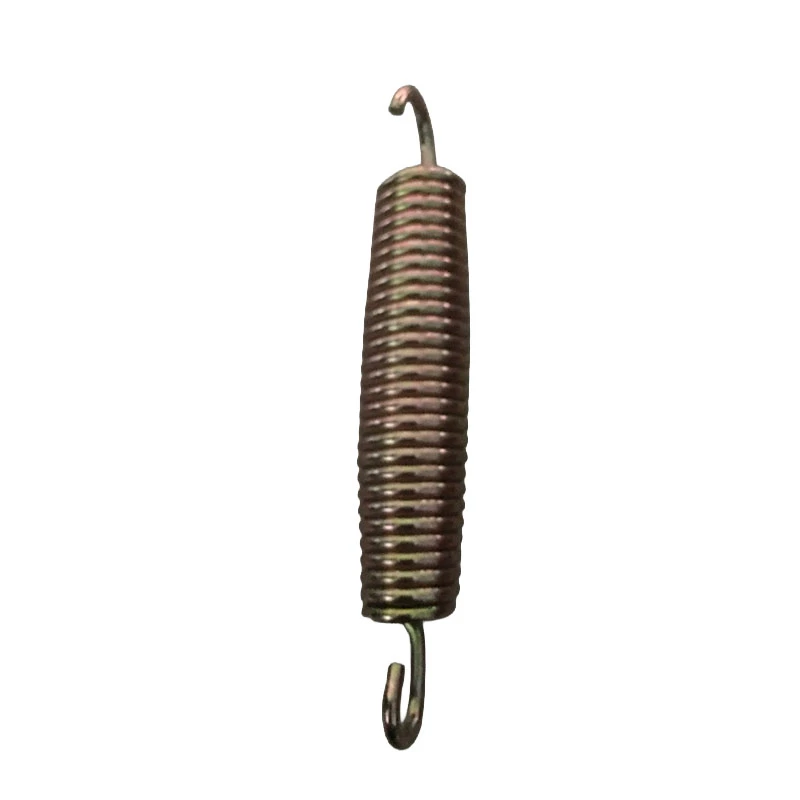
As a conical compression spring supplier, we offer a wide range of springs with different wire cross - sectional shapes. Our Conical Coil Spring products are designed to meet various industry standards and customer requirements. We also provide Stainless Steel Conical Spring, which are corrosion - resistant and suitable for harsh environments. For applications where extension capability is required, our Conical Extension Spring can be a perfect choice.
Conclusion and Call to Action
The wire's cross - sectional shape plays a vital role in determining the performance of conical compression springs. Different cross - sectional shapes offer unique advantages and disadvantages, and the choice depends on the specific application requirements. Whether you need a spring with high heat dissipation, specific stiffness characteristics, or cost - effectiveness, we have the expertise and products to meet your needs.
If you're in the market for conical compression springs and want to discuss your requirements, we'd be more than happy to engage in a procurement conversation with you. We can provide detailed product specifications, samples, and competitive pricing. Let's work together to find the perfect conical compression spring solution for your project.
References
- Shigley, J. E., & Mischke, C. R. (2001). Mechanical Engineering Design. McGraw - Hill.
- Budynas, R. G., & Nisbett, J. K. (2011). Shigley's Mechanical Engineering Design. McGraw - Hill.
- Wahl, A. M. (1963). Mechanical Springs. McGraw - Hill.