Hey there! As a supplier of spiral springs, I often get asked about the elastic limit of these nifty little things. So, I thought I'd take some time to break it down and explain it in a way that's easy to understand.
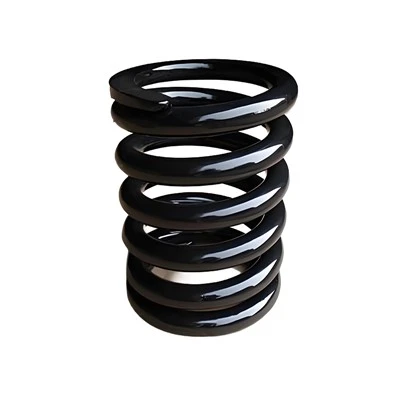
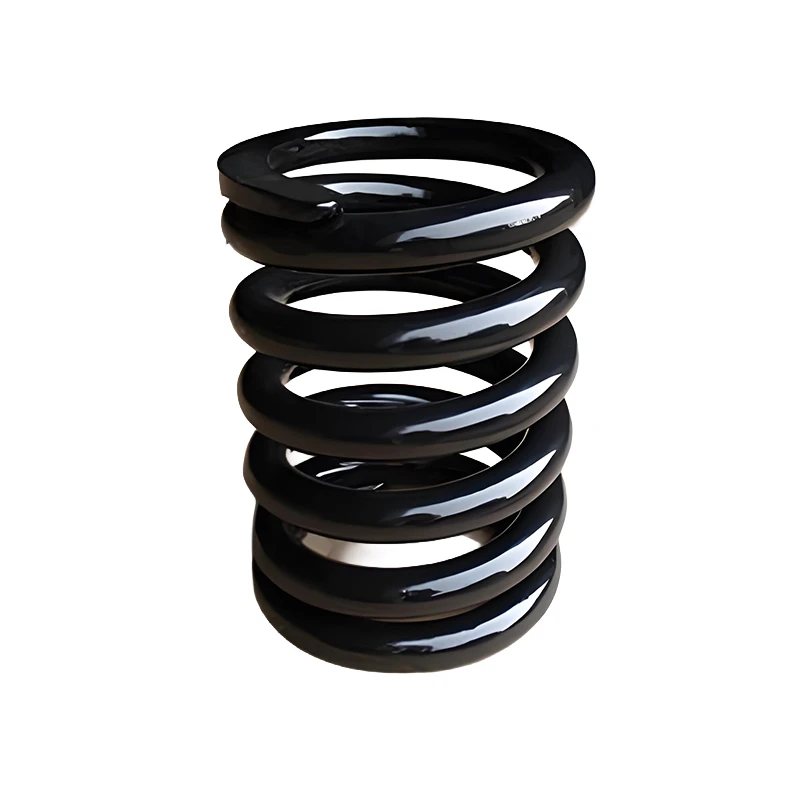
First off, let's talk about what a spiral spring is. A spiral spring is a type of spring that's made by winding a wire or strip of material in a spiral shape. They're used in all sorts of applications, from watches and clocks to industrial machinery and automotive parts. You can check out our Flat Coil Spiral Spring, Flat Coil Torsion Spring, and Metal Spiral Spring for different options.
Now, the elastic limit of a spiral spring is basically the maximum amount of force or stress that the spring can handle without permanently deforming. When you apply a force to a spring, it stretches or compresses. As long as the force is within the elastic limit, the spring will return to its original shape once the force is removed. But if you apply too much force and go beyond the elastic limit, the spring will be permanently deformed and won't go back to its original shape.
To understand this better, let's think about a rubber band. When you stretch a rubber band a little bit, it goes back to its normal size once you let go. That's because you're within the rubber band's elastic limit. But if you stretch it too far, it'll snap or stay stretched out, and it won't go back to how it was. The same principle applies to spiral springs.
Several factors can affect the elastic limit of a spiral spring. One of the main factors is the material the spring is made from. Different materials have different elastic properties. For example, metals like steel are known for their high elastic limits. Steel springs can handle a lot of stress and still return to their original shape. On the other hand, materials like plastic may have a lower elastic limit and may deform more easily.
The design of the spring also plays a big role. The diameter of the wire or strip, the number of coils, and the pitch (the distance between the coils) all affect how much force the spring can handle. A spring with a thicker wire or more coils will generally have a higher elastic limit than a spring with a thinner wire or fewer coils.
Another important factor is the surface finish of the spring. A smooth surface finish can help reduce stress concentrations, which can improve the spring's elastic limit. Rough or uneven surfaces can cause stress to build up in certain areas, making the spring more likely to deform.
Now, you might be wondering how we determine the elastic limit of a spiral spring. Well, there are a few different methods. One common method is to perform a test where we gradually apply increasing amounts of force to the spring and measure how much it stretches or compresses. We keep increasing the force until the spring starts to show signs of permanent deformation. The force at which this happens is the elastic limit.
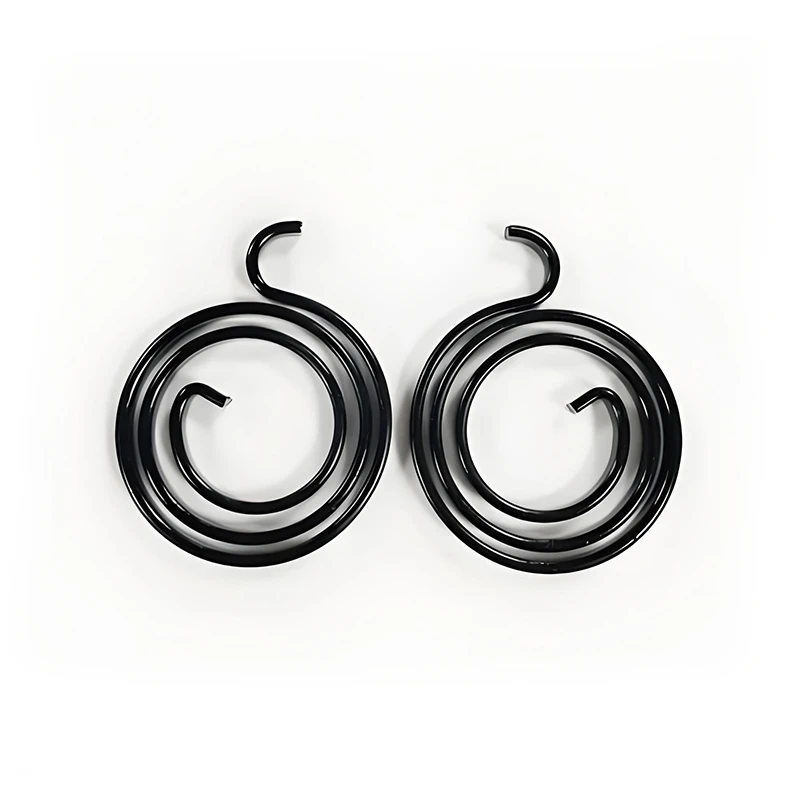
In a laboratory setting, we can use special testing equipment to make these measurements very accurately. We can also use computer simulations to predict the elastic limit of a spring based on its material properties and design.
So, why is it important to know the elastic limit of a spiral spring? Well, if you're using a spring in an application, you need to make sure that the spring won't be subjected to forces that exceed its elastic limit. If it does, the spring will lose its ability to function properly, which could lead to all sorts of problems. For example, in a watch, a spring that's been deformed beyond its elastic limit might cause the watch to run inaccurate or stop working altogether.
As a spiral spring supplier, we take all these factors into account when we're manufacturing our springs. We carefully select the materials, optimize the design, and make sure that the surface finish is of the highest quality. This helps us ensure that our springs have a high elastic limit and can perform reliably in a wide range of applications.
If you're in the market for spiral springs, whether it's for a small DIY project or a large industrial application, we're here to help. We have a wide range of spiral springs available, including Flat Coil Spiral Spring, Flat Coil Torsion Spring, and Metal Spiral Spring. We can also customize springs to meet your specific requirements.
We understand that every application is different, and you need a spring that's just right for your needs. So, if you have any questions about the elastic limit of a spring or need help choosing the right spring for your project, don't hesitate to get in touch with us. We're happy to have a chat and work with you to find the best solution.
In conclusion, the elastic limit of a spiral spring is a crucial property that determines how well the spring will perform. It's affected by factors like the material, design, and surface finish. By understanding these factors and working with a reliable supplier, you can ensure that you get a high - quality spring that meets your requirements. So, if you're looking for top - notch spiral springs, reach out to us, and let's start a conversation about your project!
References
- Textbooks on mechanical engineering related to spring design
- Industry standards and best practices for spring manufacturing