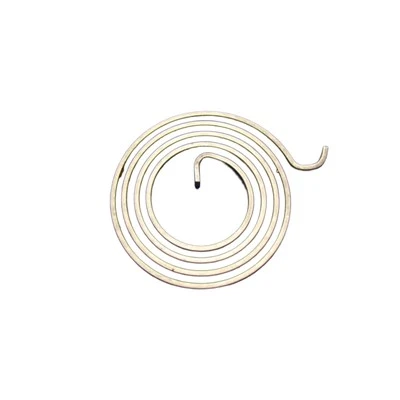
Special springs play a crucial role in various industries, offering unique solutions to complex engineering challenges. As a supplier of special springs, I've witnessed firsthand the diverse applications and the hurdles that customers face when integrating these components into their projects. In this blog post, I'll share insights on how to overcome the challenges in using a special spring, drawing from my experience in the industry.


Understanding the Types of Special Springs
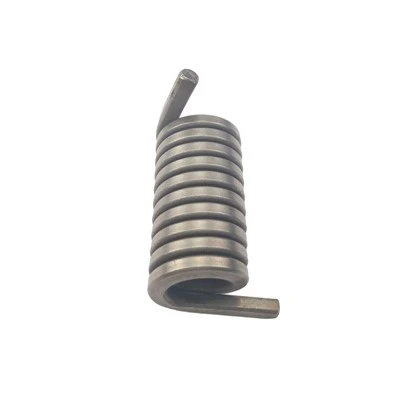
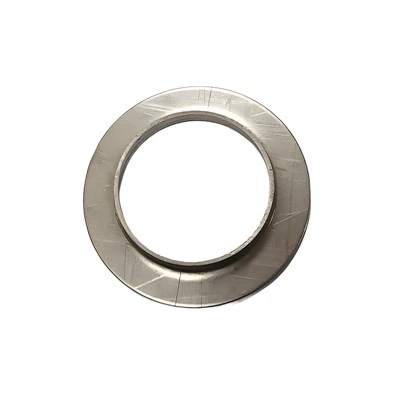
First, it's essential to understand the different types of special springs available. Two common types are Hollow Spring and Special Shaped Spring. Hollow springs are designed with a central void, providing unique properties such as reduced weight and enhanced flexibility. They are often used in applications where space and weight are critical factors, such as aerospace and automotive industries.
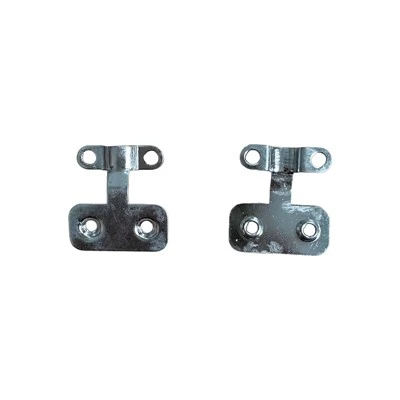
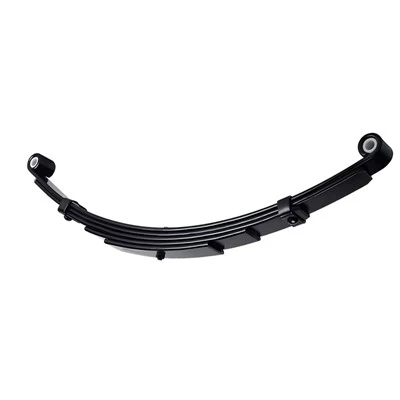
On the other hand, special - shaped springs are customized to meet specific geometric requirements. These springs can be designed in various forms, including conical, barrel, and hourglass shapes. Steel Special Shaped Spring is a popular choice due to its high strength and durability, making it suitable for heavy - duty applications in machinery and equipment manufacturing.
Challenge 1: Design and Specification
One of the primary challenges in using special springs is getting the design and specifications right. Special springs are often used in applications that require precise performance characteristics, such as a specific load - deflection curve or a particular spring rate. Incorrect design or specification can lead to premature failure or sub - optimal performance of the spring.
To overcome this challenge, it's crucial to work closely with the spring supplier from the early stages of the project. As a supplier, I encourage my customers to provide detailed information about their application, including the operating environment, load requirements, and any space constraints. This allows us to analyze the situation and design a spring that meets their exact needs. We use advanced engineering software to simulate the performance of the spring under various conditions, ensuring its reliability and efficiency.
Challenge 2: Material Selection
Selecting the right material for a special spring is another significant challenge. Different materials have different properties, such as strength, corrosion resistance, and fatigue life. For example, in a marine environment, a spring made of a corrosion - resistant alloy like stainless steel or titanium may be required to prevent rusting and degradation.
When choosing a material, it's important to consider the application's requirements, as well as the cost - effectiveness. As a supplier, I offer a wide range of materials for special springs, including high - carbon steel, alloy steel, and non - ferrous metals. I work with customers to evaluate the pros and cons of each material and select the one that best suits their needs and budget.
Challenge 3: Manufacturing and Quality Control
Manufacturing special springs to the required specifications is a complex process that requires advanced equipment and skilled technicians. The manufacturing process can have a significant impact on the performance and quality of the spring. Variations in the manufacturing process, such as inaccurate coiling or heat treatment, can lead to non - uniform properties and reduced performance.
To ensure high - quality production, a reliable supplier should have a strict quality control system in place. Our company uses state - of - the - art manufacturing equipment and adheres to international quality standards. We perform comprehensive inspections at every stage of the manufacturing process, from material inspection to final product testing. This includes dimensional checks, load tests, and fatigue tests to ensure that the springs meet or exceed the customer's requirements.
Challenge 4: Installation and Maintenance
Proper installation and maintenance are essential for the long - term performance of special springs. Incorrect installation can cause stress concentrations and premature failure of the spring. For example, if a spring is not installed at the correct pre - load, it may not function as intended and may be subject to excessive wear and tear.
As a supplier, I provide detailed installation instructions and technical support to my customers. We also offer training programs on how to install and maintain special springs correctly. Regular maintenance, such as cleaning and lubrication, can extend the service life of the spring and prevent unexpected failures.
Challenge 5: Cost - Effectiveness
Balancing performance and cost is always a challenge when using special springs. Special springs are often more expensive than standard springs due to their customized design and manufacturing process. However, choosing a low - cost spring without considering its performance can lead to higher costs in the long run, as it may require frequent replacement or cause damage to the associated equipment.
To address this challenge, we work with customers to find the most cost - effective solutions. We offer a range of spring types and materials at different price points, and we can also optimize the design of the spring to reduce manufacturing costs while maintaining its performance. By providing value - for - money products, we help our customers achieve their engineering goals without breaking the budget.
Conclusion
Using special springs can present several challenges, but with the right approach, these challenges can be overcome. Understanding the types of special springs, getting the design and specification right, selecting the appropriate material, ensuring high - quality manufacturing, proper installation and maintenance, and achieving cost - effectiveness are all key factors in the successful use of special springs.
As a special spring supplier, I'm committed to providing our customers with the best possible solutions. We have the expertise, experience, and resources to help you navigate the challenges associated with special springs. If you're facing challenges in using a special spring or are interested in exploring our products for your project, I encourage you to contact us for a consultation. Our team of experts will work with you to understand your needs and provide customized solutions that meet your requirements.
References
- "Spring Design Handbook", William A. Avallone, et al.
- "Mechanical Springs", E. A. Wahl.