Hey there! As a supplier of mechanical stamping parts, I've seen firsthand how different stamping speeds can have a big impact on the final product. In this blog post, I'm gonna share with you some of the effects of various stamping speeds on mechanical stamping parts.
Surface Finish
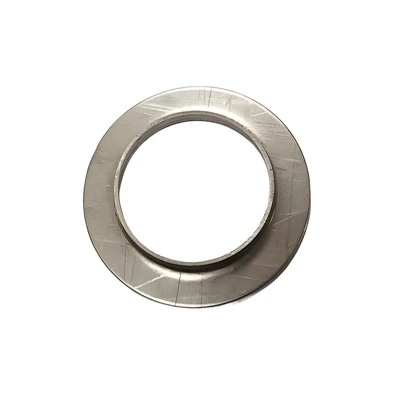
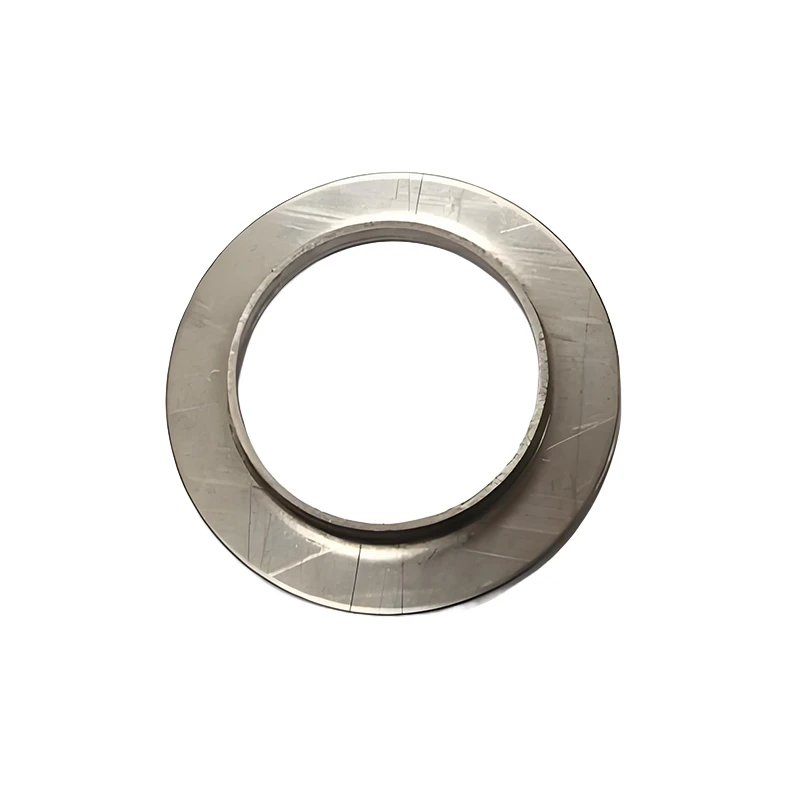
One of the most noticeable effects of stamping speed is on the surface finish of the parts. When the stamping speed is relatively low, the metal has more time to deform gradually. This results in a smoother surface finish because the metal can flow more evenly around the die. For example, in the production of Formed Flange Metal Parts, a slower stamping speed allows the flange to form with a clean and smooth edge.
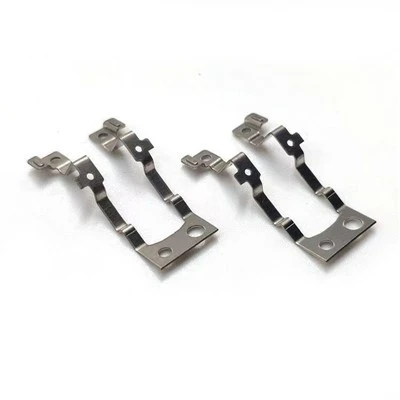
On the other hand, if the stamping speed is too high, the metal may not have enough time to deform properly. This can lead to rough surfaces, scratches, or even cracks. The high speed can cause the metal to tear or shear in an uneven manner, leaving behind a less - than - perfect finish. In the case of Bent Metal Parts, a high stamping speed might cause the bend to have a jagged edge instead of a nice, smooth curve.
Dimensional Accuracy
Dimensional accuracy is crucial in mechanical stamping parts. A proper stamping speed is essential for achieving the desired dimensions. At a low speed, the die can apply pressure more precisely, and the metal deforms according to the design specifications. This is especially important for parts that require tight tolerances, like Stainless Steel Stamping Parts. The slow and controlled deformation ensures that the part's length, width, and thickness are within the required range.
However, when the stamping speed is increased, the inertia forces come into play. These forces can cause the metal to move slightly differently than expected, leading to dimensional variations. The part might end up being a bit larger or smaller than the intended size. For instance, in C45 Steel Stamping Parts, a high stamping speed could result in the part being out of tolerance, which might make it unsuitable for its intended application.
Material Properties
The stamping speed also affects the material properties of the parts. At a slow stamping speed, the metal undergoes a more gradual deformation process. This can lead to work - hardening in a more controlled way. Work - hardening increases the strength and hardness of the metal, which can be beneficial in some applications. For example, Manganese Steel Stamping Parts can gain improved wear resistance through proper work - hardening at a slow stamping speed.
When the stamping speed is high, the rapid deformation can cause the metal to heat up quickly. This heat can change the material's microstructure, potentially reducing its strength and ductility. The high - speed stamping might also introduce internal stresses in the part, which can lead to cracking or premature failure over time.
Production Efficiency
Of course, stamping speed is closely related to production efficiency. A higher stamping speed means more parts can be produced in a given time. This can be great for meeting large - scale production demands. If you have a high - volume order for mechanical stamping parts, increasing the stamping speed can help you get the job done faster.
But we can't just focus on speed. If the stamping speed is too high, as we've seen, it can lead to quality issues. You might end up with a large number of defective parts, which will actually slow down the production process in the long run. You'll have to spend time and resources on rework or scrap the parts altogether. So, finding the right balance between speed and quality is key.
Cost Considerations
Cost is always a factor in manufacturing. A slower stamping speed usually requires more time per part, which can increase labor costs. However, it can also reduce the cost associated with quality control and rework because the parts are more likely to be of high quality.
On the other hand, increasing the stamping speed can lower the labor cost per part, but it might increase the cost of raw materials if there are more defective parts. Additionally, high - speed stamping might require more maintenance on the stamping equipment, which can add to the overall cost.
How to Choose the Right Stamping Speed
So, how do you decide on the right stamping speed for your mechanical stamping parts? Well, it depends on several factors. First, consider the type of material you're using. Different metals have different properties, and they respond differently to stamping speeds. For example, softer metals might be able to handle higher speeds without too many issues, while harder metals might require a slower speed for better results.

The complexity of the part design is also important. Parts with intricate shapes or features might need a slower stamping speed to ensure proper deformation. And of course, the production volume plays a role. If you need to produce a large number of parts quickly, you might be able to tolerate a slightly higher stamping speed as long as you can maintain an acceptable level of quality.
Conclusion
In conclusion, the stamping speed has a significant impact on mechanical stamping parts. It affects the surface finish, dimensional accuracy, material properties, production efficiency, and cost. As a supplier, I always recommend finding the optimal stamping speed for each specific project. This might involve some trial and error, but it's worth it to ensure high - quality parts.
If you're in the market for mechanical stamping parts, whether it's Formed Flange Metal Parts, Bent Metal Parts, Stainless Steel Stamping Parts, C45 Steel Stamping Parts, or Manganese Steel Stamping Parts, we're here to help. We can work with you to determine the best stamping speed for your needs and provide you with top - notch parts. Don't hesitate to reach out for a discussion about your procurement requirements.
References
- Smith, J. (2018). "The Effects of Stamping Speed on Metal Forming". Journal of Manufacturing Technology.
- Johnson, R. (2020). "Optimizing Stamping Processes for Different Materials". Manufacturing Insights.
- Brown, A. (2019). "Stamping Speed and Its Impact on Part Quality". Industrial Engineering Review.