Hey there! As a supplier of Hardware Stamping Parts, I've seen firsthand how crucial it is to maintain the molds used in production. Molds are like the heart of the stamping process, and keeping them in top - notch condition can save you a ton of time, money, and headaches. In this blog, I'll share some practical tips on how to maintain the molds for hardware stamping parts production.
Regular Cleaning
One of the most basic yet essential steps in mold maintenance is regular cleaning. During the stamping process, debris, metal shavings, and lubricants can accumulate on the mold surface. This buildup can not only affect the quality of the stamped parts but also cause premature wear and tear on the mold.
To clean the mold, start by removing any loose debris using a soft brush or compressed air. Then, use a suitable cleaning solvent to wipe down the mold surface. Make sure to follow the manufacturer's instructions when using solvents, as some may be corrosive to certain mold materials. After cleaning, dry the mold thoroughly to prevent rust and corrosion.
Inspection and Measurement
Regular inspection and measurement are key to detecting any potential issues with the mold early on. Inspect the mold for signs of wear, such as cracks, chips, or deformation. Pay special attention to the cutting edges, as these are the most critical parts of the mold.
Use precision measuring tools, like calipers and micrometers, to check the dimensions of the mold. Any significant deviation from the original specifications could indicate a problem. If you notice any issues during the inspection, it's important to address them immediately to avoid further damage to the mold and the stamped parts.
Lubrication
Proper lubrication is vital for the smooth operation of the mold. Lubricants reduce friction between the mold and the metal sheet, which helps to prevent wear and tear and improve the quality of the stamped parts.
Choose a lubricant that is specifically designed for hardware stamping applications. Apply the lubricant evenly to the mold surface before each stamping operation. Be careful not to over - lubricate, as this can lead to excessive buildup and affect the accuracy of the stamping process.
Storage
When the mold is not in use, proper storage is essential to prevent damage. Store the mold in a clean, dry, and temperature - controlled environment. Avoid storing the mold in areas where it may be exposed to moisture, dust, or other contaminants.
If possible, use a mold storage rack or cabinet to keep the mold organized and protected. Cover the mold with a protective sheet or plastic wrap to prevent scratches and other damage.
Preventive Maintenance Schedule
Establishing a preventive maintenance schedule is a great way to ensure that the mold is maintained regularly. This schedule should include tasks such as cleaning, inspection, lubrication, and any necessary repairs.
Set specific intervals for each maintenance task based on the frequency of use and the type of stamping operations. For example, if the mold is used frequently, you may need to clean and inspect it more often. Keep a record of all maintenance activities, including the date, tasks performed, and any issues identified. This record can help you track the performance of the mold over time and plan for future maintenance.

Training for Operators
The people who operate the stamping machines play a crucial role in mold maintenance. Make sure that your operators are properly trained on how to handle and maintain the molds.
Train them on the correct procedures for cleaning, lubricating, and inspecting the mold. Teach them to recognize the signs of wear and damage and to report any issues immediately. By involving your operators in the maintenance process, you can ensure that the molds are well - cared for and that any problems are addressed promptly.
Handling and Transportation
Proper handling and transportation of the mold are also important to prevent damage. When moving the mold, use appropriate lifting equipment, such as cranes or forklifts. Make sure that the mold is securely fastened during transportation to prevent it from shifting or falling.
Avoid dropping or banging the mold, as this can cause cracks or other damage. If you need to transport the mold over a long distance, consider using a specialized shipping container to protect it.
Benefits of Mold Maintenance
Maintaining the molds for hardware stamping parts production offers several benefits. First of all, it improves the quality of the stamped parts. A well - maintained mold produces parts with consistent dimensions and surface finish, which can enhance the overall quality of your products.
Secondly, it extends the lifespan of the mold. By preventing premature wear and tear, you can get more use out of the mold, which reduces the cost of replacing it.
Finally, it reduces downtime. When the mold is in good condition, there are fewer breakdowns and interruptions in the production process. This means that you can meet your production deadlines more easily and keep your customers happy.
Our Product Range
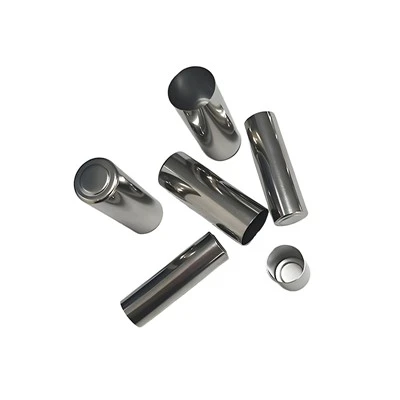
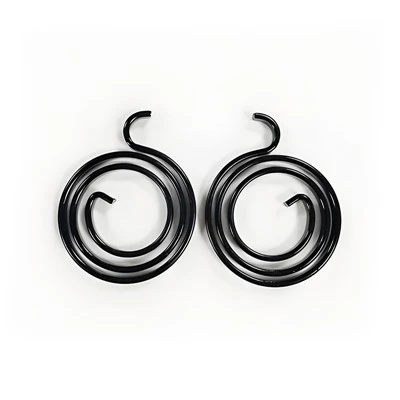
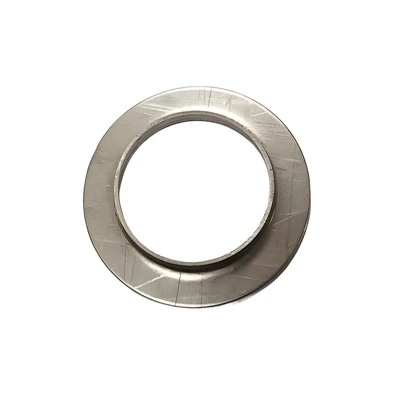
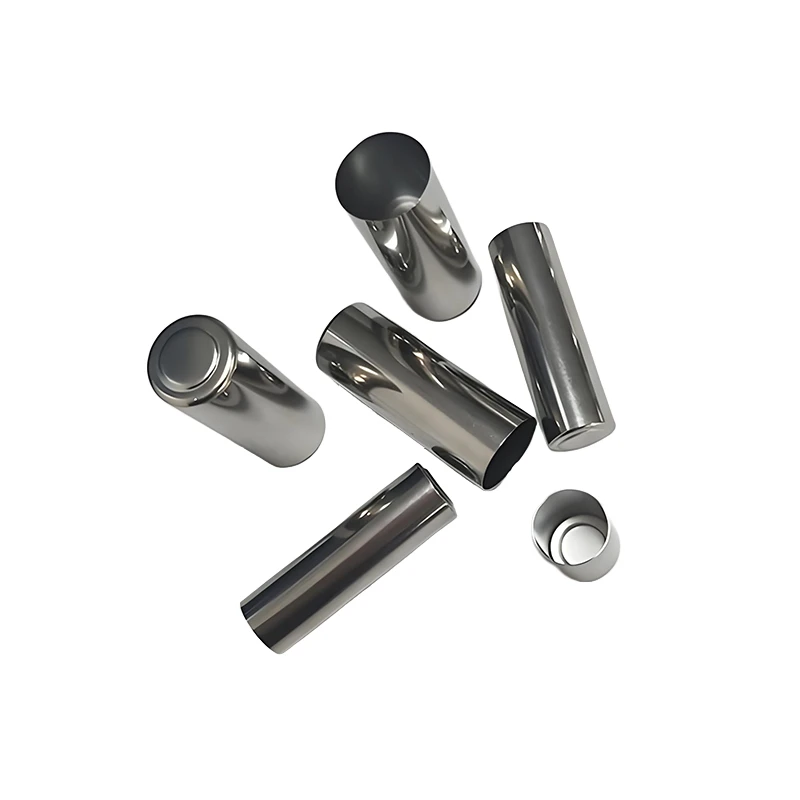
As a Hardware Stamping Parts supplier, we offer a wide range of products, including Deep Drawing Stamping Parts, Manganese Steel Stamping Parts, Bent Metal Parts, Mechanical Stamping Parts, and Stainless Steel Stamping Parts. All of our products are produced using high - quality molds that are well - maintained to ensure the best possible results.
Conclusion
Maintaining the molds for hardware stamping parts production is not a one - time task but an ongoing process. By following the tips I've shared in this blog, you can keep your molds in excellent condition and ensure the success of your stamping operations.
If you're interested in purchasing our hardware stamping parts or would like to learn more about our mold maintenance services, don't hesitate to reach out. We're always happy to have a chat and discuss how we can meet your specific needs.
References
- "Handbook of Metal Forming Processes" by R. A. Larkin
- "Stamping Die Design and Construction" by William H. Dieter