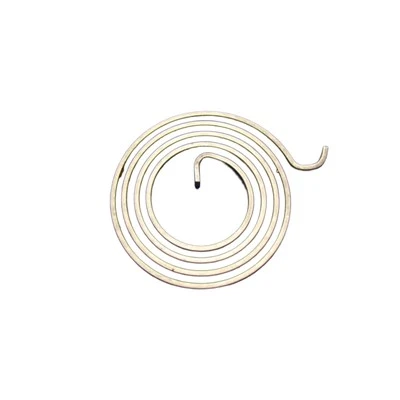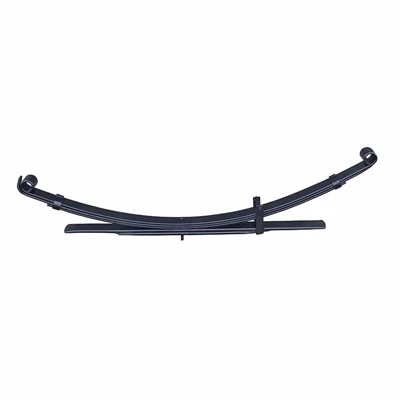
In the world of manufacturing, stamping parts play a crucial role across various industries. As a stamping parts supplier, I've witnessed firsthand the significance of understanding the tolerance range for stamping parts. Tolerance range refers to the allowable variation in the dimensions, shape, and surface finish of a stamping part from its design specifications. It is a critical factor that can impact the functionality, quality, and cost of the final product.
Understanding Tolerance in Stamping Parts
Tolerance in stamping parts is determined by several factors, including the design requirements, material properties, stamping process capabilities, and the intended application of the part. Design requirements often dictate the precision needed for a part to function correctly. For example, in automotive applications, stamping parts such as engine components or safety-critical parts require very tight tolerances to ensure proper fit, performance, and safety. On the other hand, parts used in less critical applications, like some consumer products, may have more relaxed tolerance requirements.
Material properties also play a significant role in determining the tolerance range. Different materials have different mechanical properties, such as ductility, hardness, and elasticity, which can affect how they behave during the stamping process. For instance, softer materials like aluminum or copper alloys are generally more ductile and can be formed into complex shapes with relatively tight tolerances. In contrast, harder materials like stainless steel or high-strength steels may require more careful processing and may have slightly larger tolerances due to their lower ductility.
The stamping process itself has its limitations and capabilities. The accuracy of the stamping equipment, the quality of the dies, and the skill of the operators all influence the achievable tolerance range. Modern stamping presses are equipped with advanced control systems that can achieve high levels of precision, but there are still inherent variations in the process. For example, die wear over time can cause dimensional changes in the stamped parts, which may require periodic die maintenance or replacement to maintain the desired tolerance levels.
Types of Tolerances in Stamping Parts
There are several types of tolerances that are commonly considered in stamping parts:
-
Dimensional Tolerance: This refers to the allowable variation in the size of a part, such as length, width, thickness, and diameter. Dimensional tolerances are typically specified in the design drawings and are crucial for ensuring proper fit and assembly of the part with other components. For example, if a stamping part is designed to fit into a specific housing, the dimensional tolerance must be tight enough to ensure a proper mating between the two parts.
-
Form Tolerance: Form tolerance relates to the shape of the part, such as flatness, straightness, roundness, and cylindricity. These tolerances are important for maintaining the desired functionality and appearance of the part. For instance, a flat stamping part used as a mounting surface must have a high degree of flatness to ensure proper contact and stability.
-
Surface Finish Tolerance: Surface finish tolerance refers to the allowable roughness or smoothness of the part's surface. The surface finish can affect the part's appearance, corrosion resistance, and friction properties. In some applications, such as those involving sliding or mating surfaces, a specific surface finish tolerance may be required to ensure proper performance.
Determining the Tolerance Range
Determining the appropriate tolerance range for stamping parts is a complex process that requires a thorough understanding of the design requirements, material properties, and stamping process capabilities. Here are some steps that can be followed:
-
Understand the Design Requirements: Review the design drawings and specifications to identify the critical dimensions, shapes, and surface finishes required for the part. Consult with the design engineers to understand the functional requirements and any specific tolerancing guidelines.
-
Evaluate the Material Properties: Consider the mechanical properties of the material, such as its strength, ductility, and hardness. These properties can affect the part's formability and the achievable tolerance range. Conduct material testing if necessary to ensure that the selected material is suitable for the stamping process and the desired tolerance levels.
-
Assess the Stamping Process Capabilities: Evaluate the capabilities of the stamping equipment and the skill level of the operators. Consider factors such as the accuracy of the press, the quality of the dies, and the control systems in place. Consult with the stamping process engineers to determine the achievable tolerance levels based on the specific process parameters.

-
Conduct Tolerance Analysis: Use tolerance analysis tools and techniques to predict the variation in the part dimensions and shape based on the design requirements, material properties, and stamping process capabilities. This can help identify potential sources of variation and develop strategies to control and minimize them.
-
Establish a Tolerance Range: Based on the above analysis, establish a realistic tolerance range that balances the design requirements, material properties, and stamping process capabilities. The tolerance range should be tight enough to ensure proper functionality and quality of the part, but also achievable within the constraints of the manufacturing process and cost.
Importance of Maintaining Tolerance Range
Maintaining the specified tolerance range for stamping parts is essential for several reasons:
-
Functionality: Parts that are within the tolerance range are more likely to function correctly and meet the design requirements. For example, a stamping part with tight dimensional tolerances will fit properly into its intended assembly, ensuring smooth operation and preventing any performance issues.
-
Quality: Tolerance control is directly related to the quality of the stamping parts. Parts that are out of tolerance may have cosmetic defects, reduced strength, or other quality issues that can affect their reliability and durability. By maintaining the tolerance range, we can ensure consistent quality and customer satisfaction.
-
Cost: While tighter tolerances generally require more precise manufacturing processes and may increase the cost, maintaining the appropriate tolerance range can also help reduce costs in the long run. By minimizing the number of defective parts, rework, and scrap, we can improve overall production efficiency and reduce the cost of manufacturing.
-
Compatibility: In assemblies where multiple stamping parts are used, maintaining the tolerance range is crucial for ensuring compatibility between the parts. Parts that are out of tolerance may not fit together properly, leading to assembly issues and potential product failures.
Our Capabilities as a Stamping Parts Supplier
As a stamping parts supplier, we have the expertise and resources to provide high-quality stamping parts with tight tolerance control. We use state-of-the-art stamping equipment and advanced control systems to ensure the accuracy and consistency of our parts. Our experienced engineering team works closely with customers to understand their design requirements and develop customized solutions to meet their specific needs.
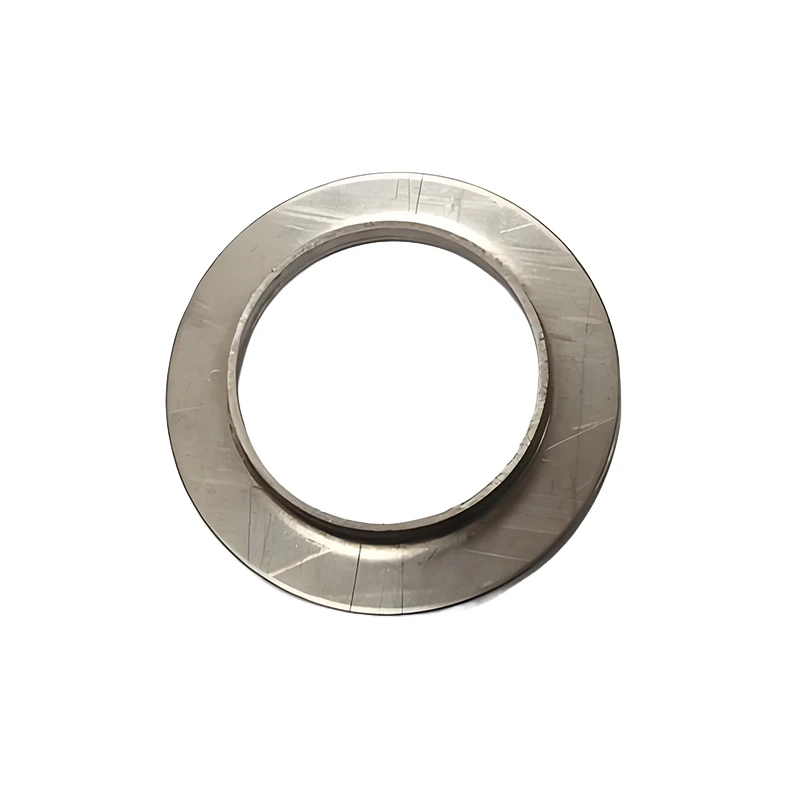
We offer a wide range of stamping parts, including C45 Steel Stamping Parts, Bent Metal Parts, Conveyor Metal Parts, Formed Flange Metal Parts, and Hardware Stamping Parts. Our parts are made from high-quality materials and are carefully inspected to ensure that they meet the specified tolerance range and quality standards.
Contact Us for Your Stamping Parts Needs
If you are in need of high-quality stamping parts with tight tolerance control, we would be happy to assist you. Our team of experts is ready to work with you to understand your requirements and provide you with the best solutions. Whether you need a small batch of prototype parts or a large-scale production run, we have the capabilities to meet your needs.
Don't hesitate to contact us to discuss your stamping parts requirements and start a partnership that will bring you high-quality products and excellent service.
References
- Metals Handbook, Volume 14B: Metalworking: Sheet Forming, 10th Edition, ASM International
- Precision Stamping Technology Handbook, edited by Lin Qiang, National Defense Industry Press.
- Manufacturing Engineering and Technology, 6th Edition, by Serope Kalpakjian and Steven R. Schmid, Pearson Education