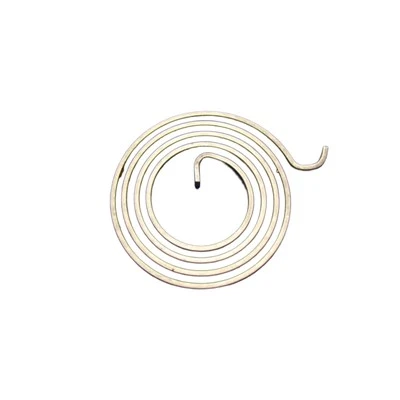
Hey there! I'm a supplier of Flat Coil Spiral Spring. Through years in the industry, I've seen firsthand how wear and tear can take a toll on these springs. In this blog, I'll share some practical tips on how to enhance the wear resistance of flat coil spiral springs, so they last longer and perform better.
Understanding the Basics of Wear in Flat Coil Spiral Springs
Before we dive into the solutions, it's important to understand what causes wear in flat coil spiral springs. Wear typically occurs due to friction, corrosion, and fatigue. When a spring is in use, it constantly rubs against other components, which generates friction. Over time, this friction can cause the surface of the spring to wear down, leading to reduced performance and eventually failure.
Corrosion is another major culprit. If a spring is exposed to moisture, chemicals, or other corrosive substances, it can start to rust or corrode. This not only weakens the spring but also increases the likelihood of wear.
Finally, fatigue is a result of repeated stress and strain on the spring. Every time a spring is compressed or extended, it experiences a certain amount of stress. Over time, this stress can cause microscopic cracks to form in the spring, which can eventually lead to failure.
Choosing the Right Material
One of the most effective ways to enhance the wear resistance of a flat coil spiral spring is to choose the right material. Different materials have different properties, and some are more resistant to wear than others.
Stainless Steel
Stainless steel is a popular choice for flat coil spiral springs because it has excellent corrosion resistance. It contains chromium, which forms a thin, protective layer on the surface of the steel, preventing rust and corrosion. Stainless steel also has good strength and durability, making it suitable for a wide range of applications.
High-Carbon Steel
High-carbon steel is another option. It has high strength and hardness, which makes it resistant to wear. However, it is more prone to corrosion than stainless steel, so it may need to be coated or treated to protect it from the elements.
Alloy Steel
Alloy steel is a combination of different metals, which gives it unique properties. It can be designed to have high strength, hardness, and wear resistance. Alloy steel is often used in applications where the spring will be exposed to high stress or harsh environments.
Surface Treatments
In addition to choosing the right material, surface treatments can also significantly enhance the wear resistance of a flat coil spiral spring.
Heat Treatment
Heat treatment is a process that involves heating and cooling the spring to change its physical and chemical properties. It can increase the hardness and strength of the spring, making it more resistant to wear. There are several types of heat treatment, including annealing, quenching, and tempering.
Coating
Coating the spring with a protective layer can also help prevent wear and corrosion. There are many different types of coatings available, such as zinc plating, nickel plating, and powder coating. These coatings can provide a barrier between the spring and the environment, protecting it from moisture, chemicals, and other corrosive substances.
Nitriding
Nitriding is a surface treatment process that involves introducing nitrogen into the surface of the spring. This creates a hard, wear-resistant layer on the surface of the spring, which can significantly improve its wear resistance. Nitriding is often used in applications where the spring will be exposed to high stress or friction.
Design Considerations
The design of the flat coil spiral spring also plays an important role in its wear resistance.
Coil Pitch
The coil pitch, or the distance between each coil, can affect the stress distribution in the spring. A larger coil pitch can reduce the stress on the spring, which can help prevent wear and fatigue. However, a larger coil pitch may also reduce the spring's stiffness and load capacity.
Wire Diameter
The wire diameter of the spring also affects its wear resistance. A thicker wire diameter can increase the strength and durability of the spring, making it more resistant to wear. However, a thicker wire diameter may also increase the weight and cost of the spring.
End Design
The end design of the spring can also affect its wear resistance. A well-designed end can reduce the stress concentration at the ends of the spring, which can help prevent wear and fatigue. There are several different end designs available, such as closed ends, open ends, and ground ends.
Lubrication
Lubrication is another important factor in enhancing the wear resistance of a flat coil spiral spring. By applying a lubricant to the spring, you can reduce friction and wear between the spring and other components.
Types of Lubricants
There are several types of lubricants available, including oils, greases, and dry lubricants. Oils are often used in applications where the spring will be exposed to high temperatures or high speeds. Greases are more viscous than oils and are often used in applications where the spring will be exposed to heavy loads or slow speeds. Dry lubricants, such as graphite or molybdenum disulfide, are often used in applications where the spring will be exposed to high temperatures or where oil or grease is not allowed.
Application of Lubricants
The lubricant should be applied evenly to the surface of the spring. It's important to use the right amount of lubricant, as too much lubricant can attract dirt and debris, which can increase wear.
Maintenance and Inspection
Regular maintenance and inspection are essential for ensuring the long-term wear resistance of a flat coil spiral spring.
Cleaning
Clean the spring regularly to remove dirt, debris, and other contaminants. This can help prevent wear and corrosion. You can use a mild detergent and water to clean the spring, and then dry it thoroughly.
Inspection
Inspect the spring regularly for signs of wear, corrosion, or damage. If you notice any signs of wear or damage, replace the spring immediately. It's also a good idea to inspect the other components that the spring interacts with, as wear on these components can also affect the performance of the spring.

Conclusion
Enhancing the wear resistance of a flat coil spiral spring is crucial for ensuring its long-term performance and reliability. By choosing the right material, applying surface treatments, considering the design, using lubrication, and performing regular maintenance and inspection, you can significantly extend the life of your spring.
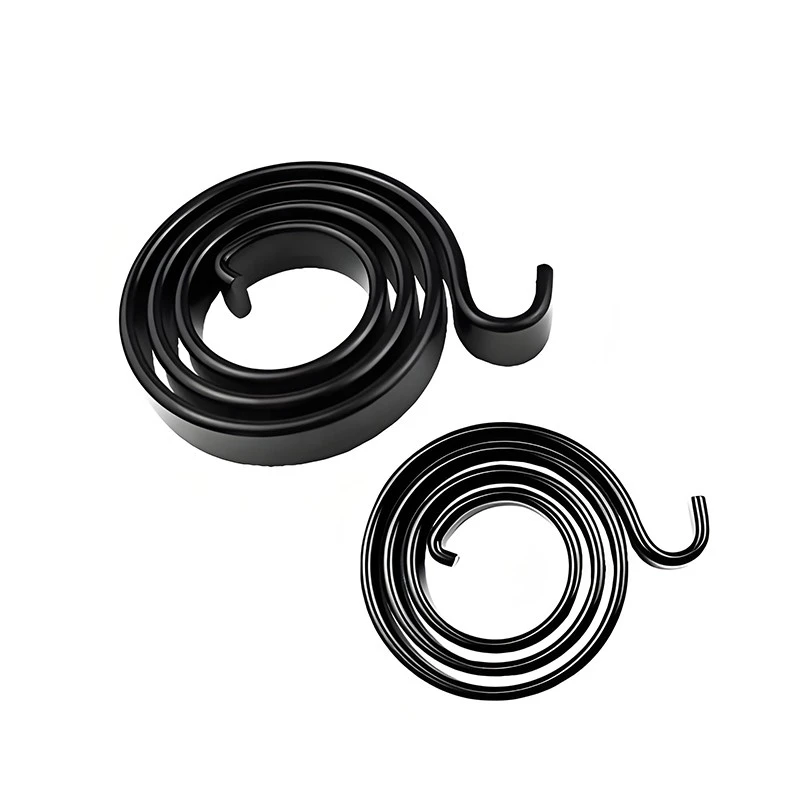
If you're in the market for high-quality Flat Coil Spiral Spring, Metal Spiral Spring, or Flat Coil Torsion Spring, I'd love to have a chat with you. Let's discuss your specific requirements and find the best solution for your application.
References
- ASM Handbook Volume 11: Failure Analysis and Prevention
- Spring Design Handbook by William A. Nash
- Mechanical Springs by Clarence P. Wahl