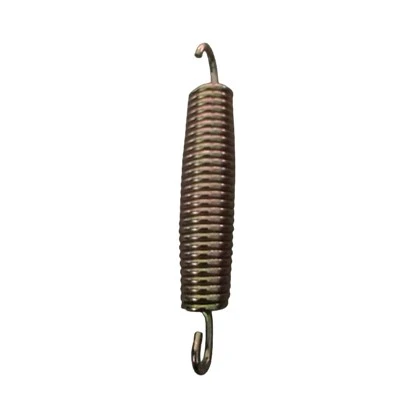
Extension springs are essential components in various industries, from automotive to aerospace, due to their ability to store and release energy. As a leading extension spring supplier, we understand the critical role that temperature plays in the performance and lifespan of these springs. In this blog post, we will explore the temperature limits for extension springs, the factors that affect these limits, and how to choose the right spring for your application.
Understanding Extension Springs
Before delving into temperature limits, it's important to understand what extension springs are and how they work. Extension springs are helical coils that are designed to resist stretching. They are typically made from materials such as steel, stainless steel, or music wire, and are used in applications where a pulling force is required. When an external force is applied to an extension spring, it stretches and stores energy. Once the force is removed, the spring returns to its original shape, releasing the stored energy.


Temperature Limits for Extension Springs
The temperature limits for extension springs depend on several factors, including the material of the spring, the design of the spring, and the application in which it is used. Generally, extension springs can operate within a temperature range of -40°C to 250°C (-40°F to 482°F). However, this range can vary depending on the specific material and design of the spring.
Steel Extension Springs
Steel Extension Spring are one of the most common types of extension springs. They are known for their high strength and durability, and are typically used in applications where a large amount of force is required. Steel extension springs can generally operate within a temperature range of -40°C to 120°C (-40°F to 248°F). At temperatures above 120°C, the strength and elasticity of the steel can begin to degrade, which can lead to premature failure of the spring.
Stainless Steel Extension Springs
Stainless Steel Extension Spring are corrosion-resistant and can withstand higher temperatures than steel extension springs. They are commonly used in applications where the spring will be exposed to moisture or chemicals. Stainless steel extension springs can generally operate within a temperature range of -40°C to 250°C (-40°F to 482°F). However, the specific temperature limit will depend on the grade of stainless steel used.
Round Wire Extension Springs
Round Wire Extension Spring are made from round wire and are available in a variety of materials, including steel and stainless steel. The temperature limits for round wire extension springs will depend on the material of the wire. For example, a round wire extension spring made from steel will have a lower temperature limit than one made from stainless steel.
Square Compression Springs
Square Compression Spring are a type of extension spring that is made from square wire. They are often used in applications where a high amount of force is required in a small space. The temperature limits for square compression springs will also depend on the material of the wire.
Factors Affecting Temperature Limits
In addition to the material of the spring, several other factors can affect the temperature limits for extension springs. These include:
- Design of the Spring: The design of the spring, including the number of coils, the pitch of the coils, and the diameter of the wire, can affect its ability to withstand high temperatures. A spring with a larger number of coils or a smaller pitch may be more resistant to heat than one with fewer coils or a larger pitch.
- Load on the Spring: The load on the spring can also affect its temperature limits. A spring that is under a high load may generate more heat than one that is under a low load, which can reduce its ability to withstand high temperatures.
- Environment: The environment in which the spring is used can also affect its temperature limits. For example, a spring that is used in a high-humidity environment may be more susceptible to corrosion, which can reduce its strength and durability at high temperatures.
Choosing the Right Spring for Your Application
When choosing an extension spring for your application, it's important to consider the temperature limits of the spring. Here are some tips to help you choose the right spring:
- Determine the Temperature Range: First, determine the temperature range in which the spring will be operating. This will help you narrow down your choices of materials and designs.
- Consider the Load: Consider the load that the spring will be under. A spring that is under a high load may require a material with a higher temperature limit.
- Evaluate the Environment: Evaluate the environment in which the spring will be used. If the spring will be exposed to moisture or chemicals, you may need to choose a corrosion-resistant material such as stainless steel.
- Consult with a Professional: If you're unsure which spring to choose, consult with a professional spring supplier. They can help you select the right spring based on your specific requirements.
Conclusion
Temperature is a critical factor in the performance and lifespan of extension springs. As a leading extension spring supplier, we offer a wide range of springs that can operate within different temperature limits. Whether you need a Steel Extension Spring, a Stainless Steel Extension Spring, a Round Wire Extension Spring, or a Square Compression Spring, we can help you find the right spring for your application.
If you have any questions about our extension springs or need help choosing the right spring for your project, please don't hesitate to contact us. Our team of experts is ready to assist you with your procurement needs and ensure that you get the best possible solution for your application.
References
- "Mechanical Springs Handbook" by Design News
- "Spring Design and Application" by ASM International