Hey there! As a supplier of Forming Stamping Parts, I've had my fair share of experience with both hydraulic and mechanical stamping presses. These two types of presses are commonly used in the industry, but they've got some key differences that can really impact the part - forming process. So, let's dive right in and explore what sets them apart.
Working Principle
First off, let's talk about how these two presses work. A mechanical stamping press is like an old - fashioned powerhouse. It uses a mechanical flywheel to store energy. When the operator activates the press, the flywheel releases that stored energy, which is transferred to the stamping tool. This sudden burst of energy is used to form the metal parts. It's kind of like a sledgehammer hitting a piece of metal, but done in a controlled way.
On the other hand, a hydraulic stamping press operates on a different principle. It uses hydraulic fluid that is pumped into a cylinder. The pressure from the fluid then moves a piston, which in turn applies force to the stamping tool. It's more like a slow - moving, but incredibly strong, muscle. The force is applied gradually and evenly, which can be a huge advantage in some situations.
Force and Pressure Control
When it comes to force and pressure control, the difference between these two presses is pretty significant. In a mechanical stamping press, the force is determined by the size and speed of the flywheel. Once the press is set up, the force is fixed for each stroke. The operator can't really adjust the force during the stamping process.
For example, if you're stamping Stainless Steel Stamping Parts, and you need a different force for a particular shape or size, you'll have to stop the press and make some mechanical adjustments. This can be time - consuming and might not be suitable for jobs that require a lot of flexibility.
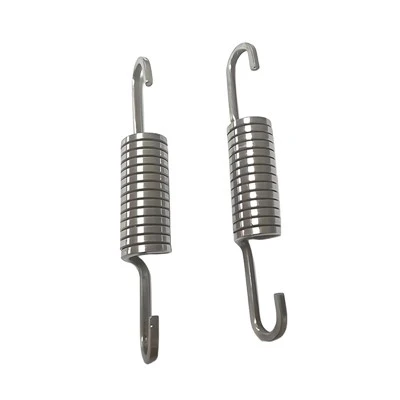
Hydraulic stamping presses, however, offer much better force and pressure control. The operator can easily adjust the pressure applied by the press just by changing the settings on the hydraulic system. This means that if you're working on a job that has different thicknesses of metal or various levels of complexity, like Manganese Steel Stamping Parts, a hydraulic press allows you to adapt quickly. You can increase or decrease the pressure with just a few clicks, which saves a ton of time and makes the whole process more efficient.
Speed of Operation
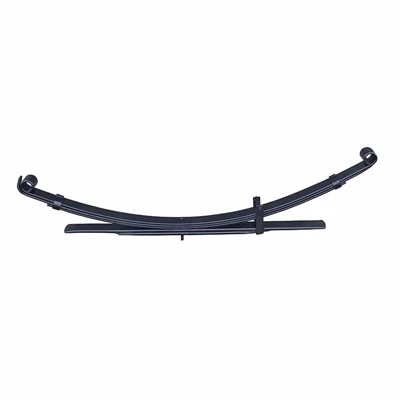
Mechanical stamping presses are known for their high speed. They can make a large number of strokes in a short period. This is because of the way the flywheel system works. Once it's up to speed, it can repeatedly deliver quick, powerful strokes. For high - volume production of simple parts, like basic Mechanical Stamping Parts, a mechanical press is usually the go - to choice. It can produce parts at a rate that's much faster than most hydraulic presses.
But there's a catch. The high - speed operation of mechanical presses can sometimes lead to issues with part quality. The sudden and intense force can cause uneven deformation of the metal, especially in more complex - shaped parts. And if the press is going too fast, it might not allow enough time for the metal to properly flow and form, which can result in defects.

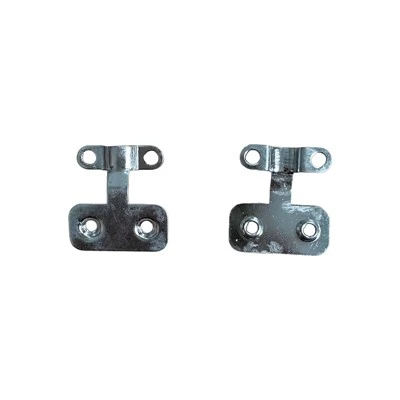
Hydraulic presses are generally slower in terms of the number of strokes per minute. The hydraulic system takes a bit of time to build up and release pressure. However, this slower speed can be an advantage when it comes to forming parts that require careful control and precision. For example, Deep Drawing Stamping Parts often need a slow, steady force to prevent tearing or wrinkling of the metal. The slower operation of hydraulic presses allows for better control of the metal flow during the forming process, resulting in higher - quality parts.
Maintenance and Cost
Maintenance is another area where these two presses differ. Mechanical stamping presses have a lot of moving parts, like gears, bearings, and the flywheel itself. Over time, these parts can wear out and require regular maintenance and replacement. The high - speed operation also means that there's more friction and stress on these components, so they're more likely to break down. This can lead to higher maintenance costs and more downtime for the press.
Hydraulic presses, while they also have some components that need maintenance, generally have fewer moving parts. The main component is the hydraulic system, which mainly consists of the hydraulic pump, cylinder, and valves. If the hydraulic fluid is properly maintained, these components can last a long time. The less complex setup also means that maintenance is often easier and less expensive. The overall cost of ownership for a hydraulic press can be lower in the long run, especially when considering the potential cost savings from reduced downtime.
In terms of the initial purchase cost, mechanical presses are usually cheaper. They have a simpler design and technology, so they come at a lower price point. This can be appealing for smaller businesses or those on a tight budget. But, as we've seen, the lower purchase cost can be offset by higher maintenance and potential quality - related costs down the line.
Suitability for Different Parts
The type of part you're forming is a major factor in deciding between a hydraulic and a mechanical stamping press. Mechanical presses are great for high - volume production of simple, flat parts. They can quickly cut, bend, or punch out these parts with relatively low cost per piece. For instance, if you're making large quantities of basic washers or brackets, a mechanical press is a cost - effective option.
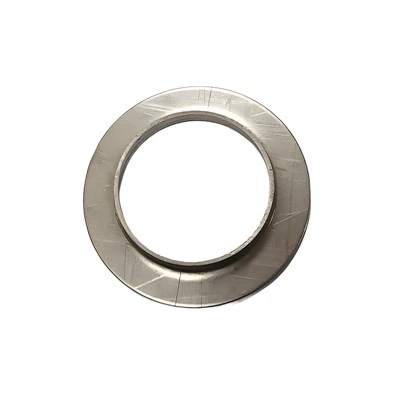
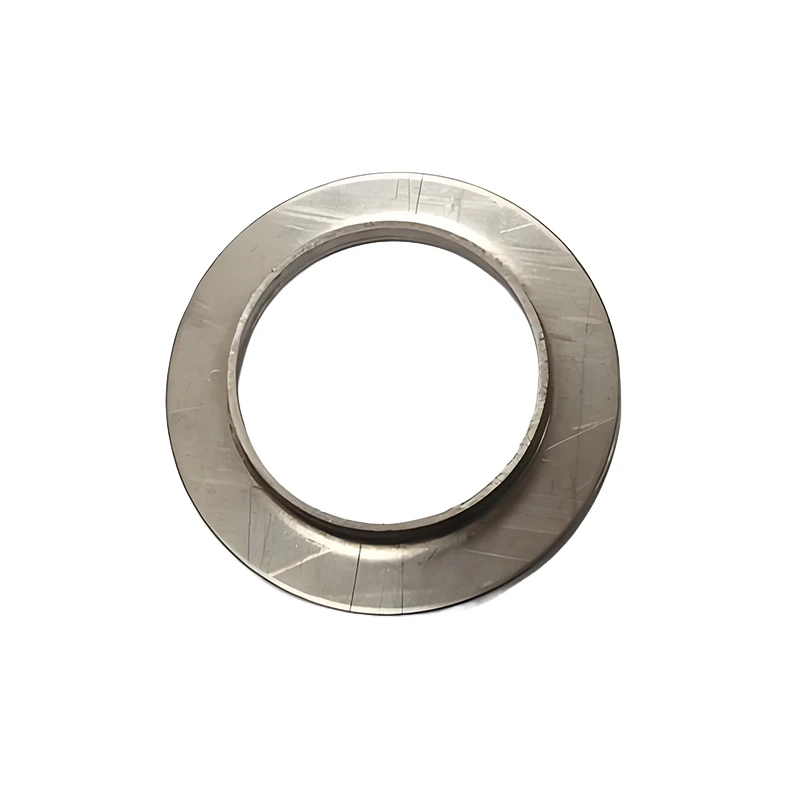
On the other hand, hydraulic presses shine when it comes to complex, high - precision parts. They can handle deep draws, complex shapes, and parts that require a lot of control over the forming process. Formed Flange Metal Parts often have intricate shapes and require a specific amount of force to form without damaging the metal. A hydraulic press can provide the slow, controlled force needed to produce these parts accurately.
Conclusion
So, to sum it up, both hydraulic and mechanical stamping presses have their own strengths and weaknesses. Mechanical presses are fast, cheap to buy, and great for high - volume production of simple parts. Hydraulic presses, however, offer better force control, are more suitable for complex parts, and can have lower long - term maintenance costs.
As a Forming Stamping Parts supplier, I've used both types of presses in different situations. It all depends on what the customer needs. If you're in the market for stamping parts and want to discuss which type of press would be best for your specific project, feel free to get in touch. We can work together to find the most efficient and cost - effective solution for your part - forming needs.
References
- Metals Handbook: Forming and Forging, ASM International
- Industrial Press Handbook, Industrial Press Inc.