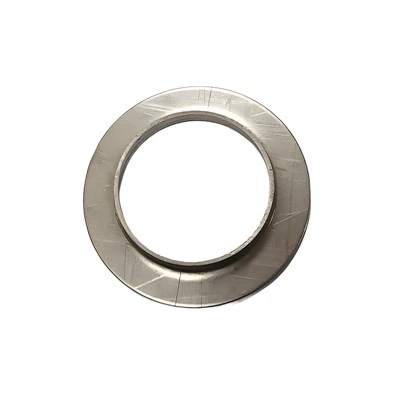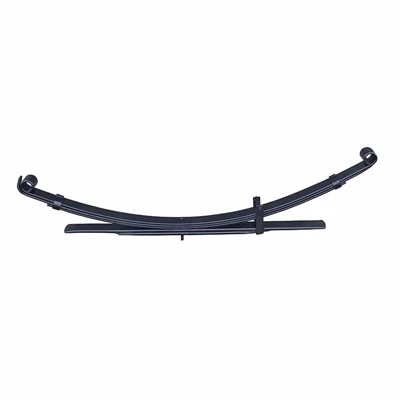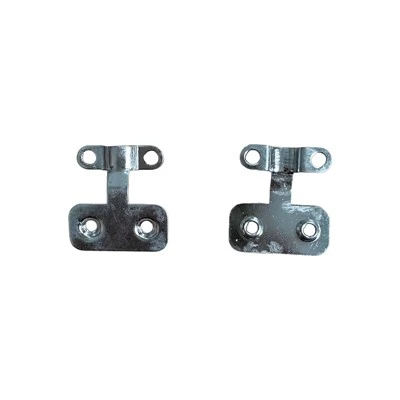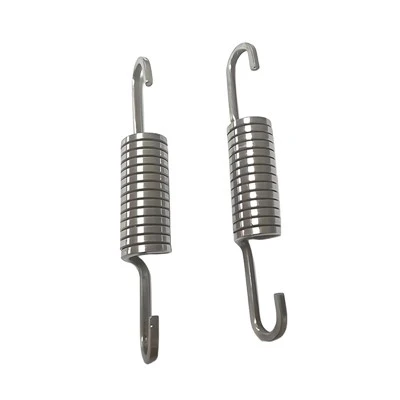
Heat treatment is a crucial process in the manufacturing of formed flange metal parts, as it significantly affects their properties. As a supplier of Formed Flange Metal Parts, I have witnessed firsthand how heat treatment can transform the characteristics of these parts to meet diverse application requirements. In this blog, I will delve into the ways heat treatment impacts the properties of formed flange metal parts, exploring the science behind the process and its practical implications.
Understanding Heat Treatment
Heat treatment involves the controlled heating and cooling of metals to alter their physical and mechanical properties. This process is based on the principles of metallurgy, which describe how the structure of a metal can be changed by manipulating its temperature. There are several types of heat treatment processes, including annealing, quenching, tempering, and normalizing, each with its own specific purpose and effects on the metal.
Annealing is a heat treatment process that involves heating the metal to a specific temperature and then cooling it slowly. This process is used to relieve internal stresses, improve ductility, and refine the grain structure of the metal. In the case of formed flange metal parts, annealing can help to reduce the risk of cracking during the forming process and improve the overall formability of the parts.
Quenching is a rapid cooling process that involves immersing the heated metal in a liquid, such as water or oil. This process is used to harden the metal by creating a martensitic structure, which is a very hard and brittle phase of the metal. Quenching is often followed by tempering, which involves heating the quenched metal to a lower temperature and then cooling it slowly. Tempering helps to reduce the brittleness of the quenched metal and improve its toughness and ductility.
Normalizing is a heat treatment process that involves heating the metal to a specific temperature and then cooling it in air. This process is used to refine the grain structure of the metal and improve its mechanical properties, such as strength and hardness. Normalizing is often used as a pre-treatment before other heat treatment processes, such as quenching and tempering.
Effects of Heat Treatment on Formed Flange Metal Parts
Hardness and Strength
One of the most significant effects of heat treatment on formed flange metal parts is the improvement of hardness and strength. By subjecting the parts to a heat treatment process, such as quenching and tempering, the metal can be hardened to a specific level, making it more resistant to wear, deformation, and fatigue. This is particularly important for formed flange metal parts that are used in applications where high strength and hardness are required, such as in automotive and aerospace industries.
For example, C45 Steel Stamping Parts are commonly used in the manufacturing of formed flange metal parts. By heat treating these parts, the hardness and strength of the steel can be significantly increased, making it suitable for use in demanding applications. The quenching process transforms the steel into a martensitic structure, which is extremely hard, and the subsequent tempering process reduces the brittleness of the martensite and improves its toughness, resulting in a part with excellent mechanical properties.
Ductility and Formability
On the other hand, heat treatment can also be used to improve the ductility and formability of formed flange metal parts. Annealing is a heat treatment process that is often used for this purpose. By heating the metal to a specific temperature and then cooling it slowly, annealing helps to relieve internal stresses and refine the grain structure of the metal, making it more ductile and easier to form.
This is particularly important for formed flange metal parts that require complex shapes and geometries. By improving the ductility of the metal, annealing allows the parts to be formed without cracking or breaking, resulting in a higher yield and better quality parts. In addition, annealing can also improve the surface finish of the parts, making them more suitable for applications where aesthetics are important.


Corrosion Resistance
Heat treatment can also have an impact on the corrosion resistance of formed flange metal parts. Certain heat treatment processes, such as annealing and tempering, can improve the corrosion resistance of the metal by changing its microstructure. For example, annealing can help to remove impurities and defects from the metal, which can act as sites for corrosion initiation. Tempering can also improve the corrosion resistance of the metal by reducing the internal stresses that can cause corrosion.
In addition, some heat treatment processes can be used to apply protective coatings or surface treatments to the formed flange metal parts. For example, nitriding is a heat treatment process that involves diffusing nitrogen into the surface of the metal to form a hard, wear-resistant, and corrosion-resistant layer. This can significantly improve the corrosion resistance of the parts, making them suitable for use in harsh environments.
Fatigue Resistance
Another important property that can be affected by heat treatment is the fatigue resistance of formed flange metal parts. Fatigue is a phenomenon that occurs when a material is subjected to repeated loading and unloading cycles, which can cause cracks to develop and propagate over time. Heat treatment can improve the fatigue resistance of the metal by changing its microstructure and reducing the internal stresses that can contribute to fatigue crack initiation.
For example, quenching and tempering can improve the fatigue resistance of formed flange metal parts by increasing the strength and hardness of the metal, as well as by refining the grain structure. A finer grain structure can help to prevent the propagation of fatigue cracks, resulting in a more durable and reliable part. In addition, surface treatments, such as shot peening, can be used in conjunction with heat treatment to further improve the fatigue resistance of the parts by introducing compressive stresses into the surface of the metal.
Practical Considerations in Heat Treatment of Formed Flange Metal Parts
When it comes to heat treating formed flange metal parts, there are several practical considerations that need to be taken into account. First, the choice of heat treatment process depends on the specific requirements of the application. For example, if high strength and hardness are required, quenching and tempering may be the most appropriate process. On the other hand, if improved ductility and formability are needed, annealing may be the better choice.
Second, the size and shape of the formed flange metal parts can also affect the heat treatment process. Larger parts may require longer heating and cooling times to ensure uniform heat treatment throughout the part. In addition, complex shapes and geometries can create uneven heating and cooling patterns, which can lead to distortion and cracking. Therefore, it is important to carefully design the heat treatment process to take into account the size and shape of the parts.
Finally, the quality control of the heat treatment process is crucial to ensure the consistency and reliability of the formed flange metal parts. This includes monitoring the temperature, time, and atmosphere during the heat treatment process, as well as conducting appropriate tests and inspections to verify the properties of the parts. By implementing a rigorous quality control system, we can ensure that our Formed Flange Metal Parts meet the highest standards of quality and performance.
Conclusion
Heat treatment plays a vital role in the manufacturing of formed flange metal parts, as it can significantly affect their properties, including hardness, strength, ductility, formability, corrosion resistance, and fatigue resistance. By understanding the science behind heat treatment and carefully selecting the appropriate process, we can produce formed flange metal parts that meet the specific requirements of our customers.
As a supplier of Formed Flange Metal Parts, we are committed to providing our customers with high-quality products that are manufactured using the latest technologies and processes. We offer a wide range of Mechanical Stamping Parts, Hardware Stamping Parts, Forming Stamping Parts, and C45 Steel Stamping Parts that are heat treated to ensure optimal performance.
If you are interested in learning more about our formed flange metal parts or would like to discuss your specific requirements, please feel free to contact us. We look forward to the opportunity to work with you and provide you with the best solutions for your needs.
References
- ASM Handbook, Volume 4: Heat Treating, ASM International.
- Metals Handbook Desk Edition, Third Edition, ASM International.
- Callister, W. D., & Rethwisch, D. G. (2014). Materials Science and Engineering: An Introduction. Wiley.