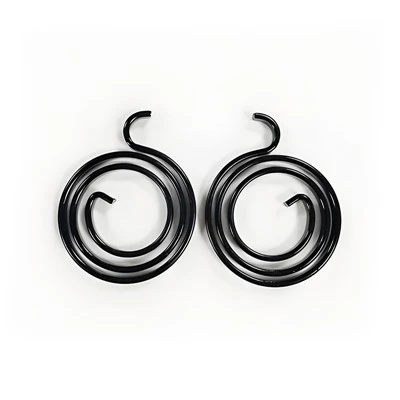
Yo, folks! As a supplier of Metal Spiral Springs, I've seen firsthand how these nifty little components are making waves in the medical industry. In this blog, I'm gonna break down the various applications of metal spiral springs in the medical field and show you why they're so crucial.
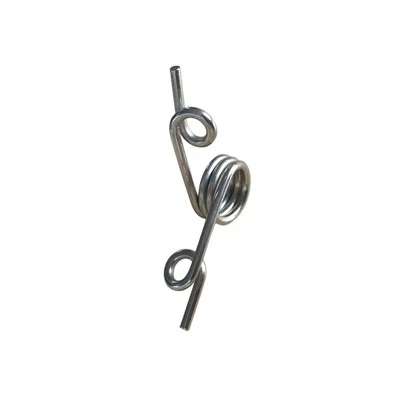
Let's start with the basics. Metal spiral springs are essentially coiled pieces of metal that can store and release energy. They come in different shapes and sizes, and their properties can be customized to suit specific applications. One of the most common types is the Flat Coil Torsion Spring, which is designed to exert a twisting force. Another popular option is the Metal Spiral Spring, which can be used for a wide range of purposes. And then there's the Flat Coil Spiral Spring, which offers unique advantages in certain applications.
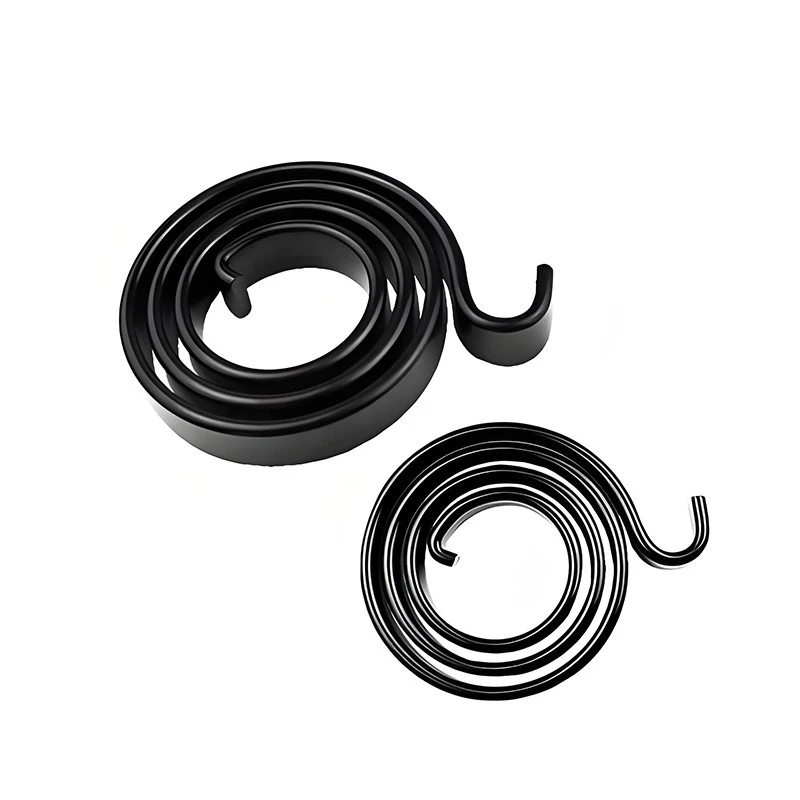
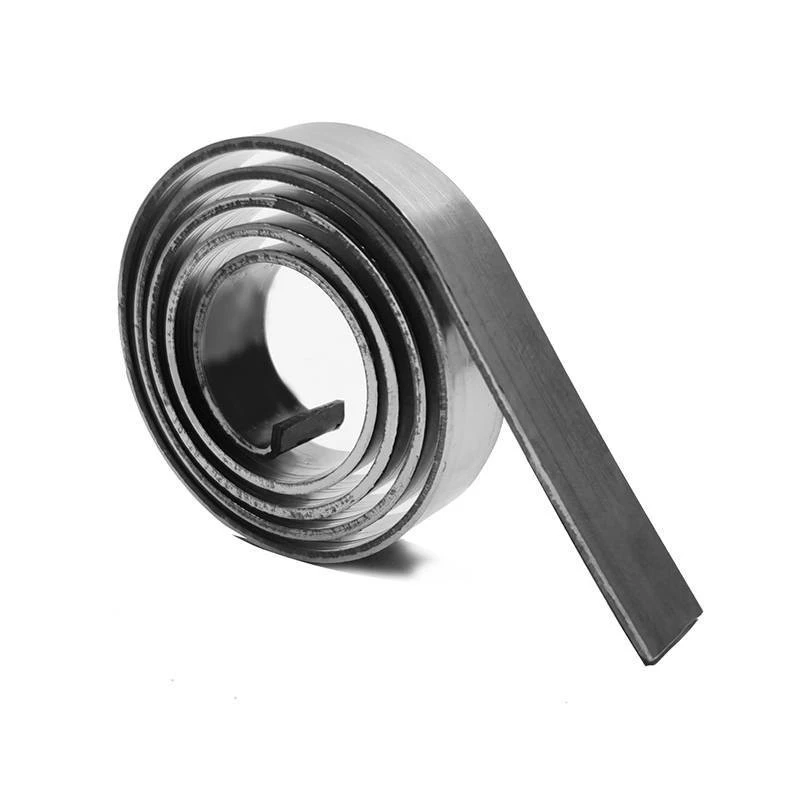
Now, let's dive into the medical applications. One of the main uses of metal spiral springs in the medical industry is in surgical instruments. These springs are used to provide the necessary force and flexibility for various procedures. For example, in endoscopic instruments, spiral springs are used to control the movement of the endoscope and to provide a smooth and precise operation. They also help to reduce the risk of tissue damage during the procedure.
Another important application is in medical devices such as infusion pumps. These pumps are used to deliver medications and fluids to patients at a controlled rate. Metal spiral springs are used in the pump mechanism to provide the necessary pressure and flow control. They ensure that the medication is delivered accurately and safely, which is crucial for patient health.
In addition to surgical instruments and medical devices, metal spiral springs are also used in orthopedic applications. For example, in orthopedic implants, these springs are used to provide support and stability to the joints. They help to reduce pain and improve the mobility of the patient. In some cases, spiral springs are also used in the design of braces and splints to provide additional support and adjustment.
Metal spiral springs are also used in dental applications. For example, in orthodontic appliances, these springs are used to apply gentle pressure to the teeth to correct their alignment. They are also used in dental drills and other instruments to provide the necessary torque and rotation.
Now, let's talk about the advantages of using metal spiral springs in the medical industry. One of the main advantages is their durability. These springs are made from high-quality metals that can withstand the rigors of medical use. They are resistant to corrosion and wear, which means they can last for a long time without losing their performance.
Another advantage is their precision. Metal spiral springs can be designed and manufactured to very precise specifications. This allows them to provide the exact amount of force and movement required for a particular application. They can also be customized to fit the specific needs of the medical device or instrument.
In addition to durability and precision, metal spiral springs are also cost-effective. They are relatively inexpensive to manufacture, which makes them a popular choice for medical device manufacturers. They also require minimal maintenance, which further reduces the cost of ownership.
So, if you're in the medical industry and you're looking for a reliable and cost-effective solution for your spring needs, look no further than metal spiral springs. As a supplier, I can offer you a wide range of options to choose from, and I can also provide you with customized solutions to meet your specific requirements.
If you're interested in learning more about our Metal Spiral Springs and how they can be used in your medical applications, please don't hesitate to contact me. I'm always happy to have a chat and answer any questions you may have. Whether you're a small startup or a large medical device manufacturer, I'm here to help you find the right spring solution for your needs. Let's have a discussion and see how we can work together to improve your medical products.
References
- Medical Device Technology Handbook. Wiley.
- Biomedical Engineering Principles and Applications. Elsevier.