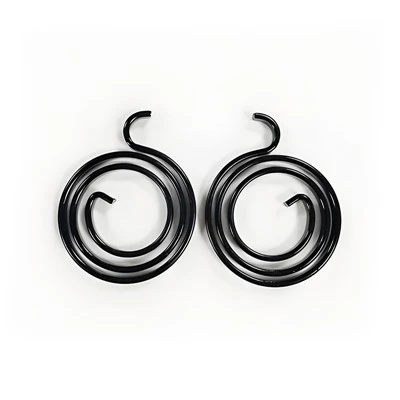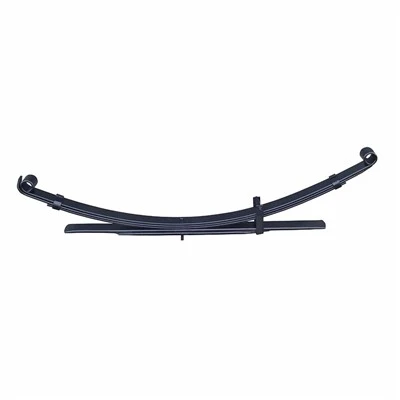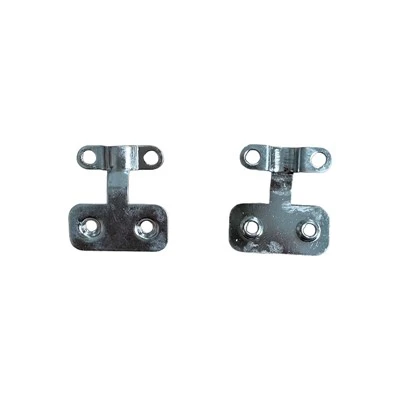
In the manufacturing industry, forming stamping processes play a crucial role in producing a wide range of components. As a supplier of Forming Stamping Parts, I have witnessed firsthand the evolution from traditional to modern forming stamping techniques. This blog post aims to explore the differences between these two approaches, highlighting their unique characteristics, advantages, and limitations.
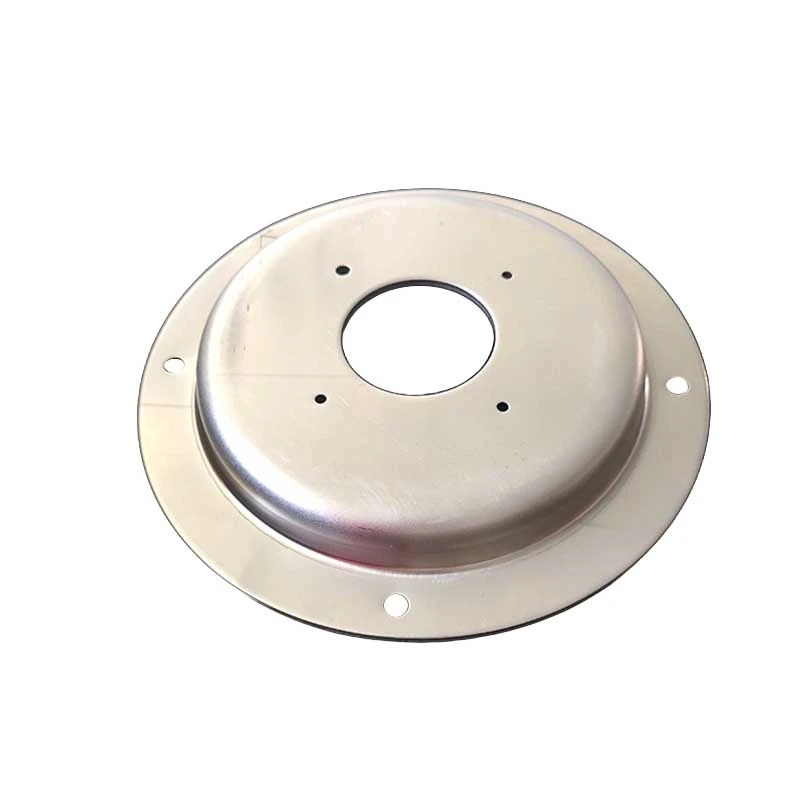
Traditional Forming Stamping Processes
Traditional forming stamping processes have been around for centuries and are based on well - established techniques. These methods typically involve the use of mechanical presses, dies, and simple tooling.
1. Tooling and Setup
One of the hallmarks of traditional stamping is the use of heavy and complex dies. These dies are custom - made for each specific part, which requires a significant investment of time and resources in the tooling design and fabrication process. For example, creating a die for a complicated Electrical Stamping Parts may take weeks or even months. The setup of these dies on the press is also a meticulous process, often requiring skilled operators to ensure proper alignment and functionality.
2. Production Speed and Volume
Traditional stamping is generally well - suited for high - volume production. Once the dies are set up, the presses can operate at a relatively consistent speed, churning out large quantities of parts. However, the initial setup time can be a bottleneck, especially when producing small batches. For instance, if a customer needs a small number of Stainless Steel Stamping Parts, the time and cost associated with die setup may not be economically viable.
3. Material Handling
In traditional stamping, material handling is often manual or semi - automated. Operators are required to load the raw material into the press and remove the finished parts. This can lead to safety risks, as well as potential variations in the quality of the parts due to human error. Additionally, the handling of large and heavy sheets of metal can be physically demanding.
4. Precision and Complexity
While traditional stamping can produce parts with a reasonable level of precision, it has limitations when it comes to complex geometries. The design of the dies restricts the shape and features that can be achieved. For example, creating parts with deep recesses or intricate details may be challenging or impossible using traditional methods.
Modern Forming Stamping Processes
With the advancement of technology, modern forming stamping processes have emerged, offering several improvements over their traditional counterparts.
1. Computer - Aided Design (CAD) and Manufacturing (CAM)
Modern stamping processes heavily rely on CAD and CAM systems. These technologies allow for the precise design of parts and dies, reducing the time and cost associated with tooling development. Engineers can simulate the stamping process in a virtual environment, identifying potential issues and optimizing the design before actual production. For example, when designing Deep Drawing Stamping Parts, CAD software can accurately predict the material flow and deformation, ensuring a high - quality end product.
2. Automation and Robotics
Automation is a key feature of modern stamping. Robotic systems are used for material handling, loading, and unloading, which improves efficiency and reduces the risk of human error. These robots can work continuously, increasing production speed and consistency. Moreover, automated inspection systems can be integrated into the production line to detect defects in real - time, ensuring that only high - quality parts are shipped to customers.
3. Flexible Manufacturing
Modern stamping processes are more flexible than traditional ones. They can easily adapt to changes in production volume and part design. Quick - change tooling systems allow for rapid die replacement, enabling the production of different parts on the same press. This is particularly beneficial for customers who require small - batch or customized Formed Flange Metal Parts.
4. Advanced Materials and Processes
The modern stamping industry has embraced the use of advanced materials, such as high - strength steels and lightweight alloys. These materials offer improved performance and durability but require specialized stamping techniques. New processes, such as hydroforming and incremental forming, have been developed to handle these materials more effectively. Hydroforming, for example, uses fluid pressure to shape the material, allowing for the production of complex parts with better dimensional accuracy.
Advantages and Disadvantages Comparison
Advantages of Traditional Stamping
- Cost - effective for high - volume production: Once the initial tooling investment is made, the per - part cost is relatively low for large - scale production.
- Proven technology: Traditional stamping has a long history, and many manufacturers are familiar with the processes and have well - established expertise.
Disadvantages of Traditional Stamping
- High tooling costs and long setup times: This makes it less suitable for small - batch or customized production.
- Limited precision and complexity: It may not be able to produce parts with intricate geometries or high - precision requirements.
Advantages of Modern Stamping
- Flexibility: Can easily adapt to different production volumes and part designs, making it ideal for small - batch and customized production.
- Higher precision and quality: Advanced technologies and automation ensure better dimensional accuracy and fewer defects.
- Use of advanced materials: Enables the production of parts with improved performance and durability.
Disadvantages of Modern Stamping
- Higher initial investment: The cost of CAD/CAM systems, automation equipment, and advanced tooling can be significant.
- Technical expertise required: Operators need to have a good understanding of the new technologies and processes.
Conclusion
In conclusion, both traditional and modern forming stamping processes have their own unique advantages and disadvantages. Traditional stamping is still a viable option for high - volume production of relatively simple parts, where cost - effectiveness is the primary concern. On the other hand, modern stamping offers greater flexibility, precision, and the ability to work with advanced materials, making it more suitable for small - batch and customized production.
As a supplier of Forming Stamping Parts, we are committed to providing our customers with the best - suited stamping solutions. Whether you need high - volume production using traditional methods or customized parts with modern techniques, we have the expertise and capabilities to meet your requirements. If you are interested in purchasing forming stamping parts or have any questions about our products and services, please feel free to contact us for a detailed discussion and negotiation.
References
- Groover, M. P. (2010). Fundamentals of Modern Manufacturing: Materials, Processes, and Systems. Wiley.
- Kalpakjian, S., & Schmid, S. R. (2013). Manufacturing Engineering and Technology. Pearson.