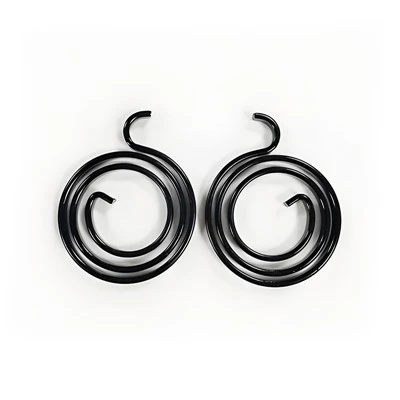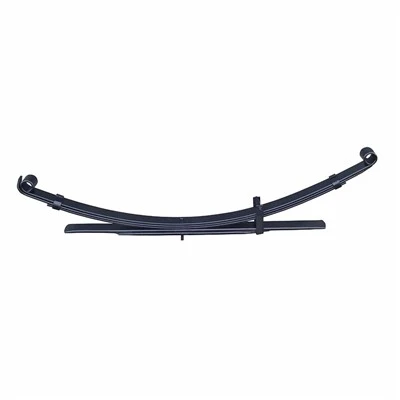
Compression springs are essential components in a wide range of industries, from automotive to aerospace, and from consumer goods to industrial machinery. As a compression spring supplier, I have had the privilege of working with various shapes of compression springs, each designed to meet specific application requirements. In this blog post, I will discuss the common shapes of compression springs, their characteristics, and their applications.
1. Cylindrical Compression Springs
Cylindrical compression springs are the most common type of compression springs. They have a uniform diameter along their length and are typically made from round wire. The simplicity of their design makes them easy to manufacture and widely used in many applications.
Characteristics
- Uniform Force Distribution: Cylindrical compression springs provide a linear force as they are compressed. This means that the force increases proportionally to the amount of compression, making them ideal for applications where a consistent force is required.
- High Durability: Due to their simple design and uniform stress distribution, cylindrical compression springs are highly durable and can withstand repeated compression and extension cycles.
- Versatility: They can be used in a wide range of applications, including automotive suspension systems, industrial machinery, and consumer products such as pens and toys.
Applications
- Automotive Industry: Cylindrical compression springs are used in engine valves, suspension systems, and clutch mechanisms. For example, in a car's suspension system, these springs help absorb shocks and vibrations, providing a smooth and comfortable ride.
- Industrial Machinery: They are used in various industrial equipment, such as presses, pumps, and conveyors. In a press, the compression spring is used to provide the necessary force for stamping or forming operations.
- Consumer Products: Cylindrical compression springs are found in everyday items like ballpoint pens, where they are used to retract and extend the pen tip.
2. Conical Compression Springs
Conical compression springs, also known as tapered compression springs, have a varying diameter along their length. They are wider at one end and narrower at the other, which gives them unique characteristics compared to cylindrical compression springs.
Characteristics
- Variable Force Distribution: Conical compression springs provide a non - linear force as they are compressed. The force increases more rapidly as the spring is compressed further, which can be useful in applications where a progressive force is required.
- Space - Saving Design: Their tapered shape allows them to fit into smaller spaces compared to cylindrical springs of the same height and load capacity.
- Anti - Buckling Properties: Conical springs are less likely to buckle under load compared to cylindrical springs, especially when the height - to - diameter ratio is large.
Applications
- Aerospace Industry: Conical compression springs are used in aircraft landing gear systems, where they need to provide a progressive force to absorb the shock of landing. You can find high - quality Stainless Steel Conical Spring for such applications.
- Electronics: They are used in electronic devices such as switches and connectors, where a small amount of space is available, and a non - linear force is required.
- Medical Devices: Conical springs are used in medical devices like syringes and surgical instruments, where a precise and progressive force is needed.
3. Barrel Compression Springs
Barrel compression springs, also called hourglass springs, have a larger diameter in the middle and smaller diameters at the ends. This shape gives them a unique appearance and specific performance characteristics.
Characteristics
- Centering Effect: The barrel shape of these springs helps to keep them centered during compression, reducing the risk of misalignment and improving the overall stability of the assembly.
- High Load Capacity: Barrel compression springs can handle higher loads compared to cylindrical springs of the same wire diameter and height, due to their unique shape and stress distribution.
- Smooth Operation: They provide a smooth and consistent force during compression, making them suitable for applications where a stable and reliable force is required.
Applications
- Automotive Seating: Barrel compression springs are used in automotive seats to provide support and comfort. Their centering effect ensures that the seat remains stable and properly aligned.
- Industrial Valves: They are used in industrial valves to control the flow of fluids. The high load capacity and smooth operation of barrel springs make them ideal for this application.
- Furniture: Barrel springs are used in furniture such as sofas and chairs to provide a comfortable seating experience.
4. Hourglass Compression Springs
Hourglass compression springs are similar to barrel springs but have a more pronounced hourglass shape. They are designed to provide a specific force - deflection characteristic.
Characteristics
- Unique Force - Deflection Curve: Hourglass springs have a non - linear force - deflection curve, which can be tailored to meet specific application requirements. This allows for more precise control of the force exerted by the spring.
- Improved Stability: The hourglass shape helps to improve the stability of the spring during compression, reducing the risk of buckling and ensuring consistent performance.
- Customizable Design: These springs can be customized in terms of their shape, size, and material to meet the unique needs of different applications.
Applications
- Precision Instruments: Hourglass compression springs are used in precision instruments such as measuring devices and sensors, where a precise and controlled force is required.
- Robotics: They are used in robotic systems to provide the necessary force for actuators and joints, ensuring smooth and accurate movement.
- Optical Equipment: Hourglass springs are used in optical equipment such as cameras and telescopes to maintain the proper alignment of lenses and other components.
5. Square Wire Compression Springs
Square wire compression springs are made from square or rectangular wire instead of round wire. This gives them different characteristics compared to round wire compression springs.
Characteristics
- Higher Load Capacity: Square wire compression springs can handle higher loads compared to round wire springs of the same wire cross - sectional area. This is because the square shape provides a larger contact area, which distributes the stress more evenly.
- Reduced Solid Height: Square wire springs have a lower solid height compared to round wire springs, which can be beneficial in applications where space is limited.
- Improved Fatigue Resistance: The square shape of the wire helps to reduce stress concentrations, resulting in improved fatigue resistance and longer service life.
Applications
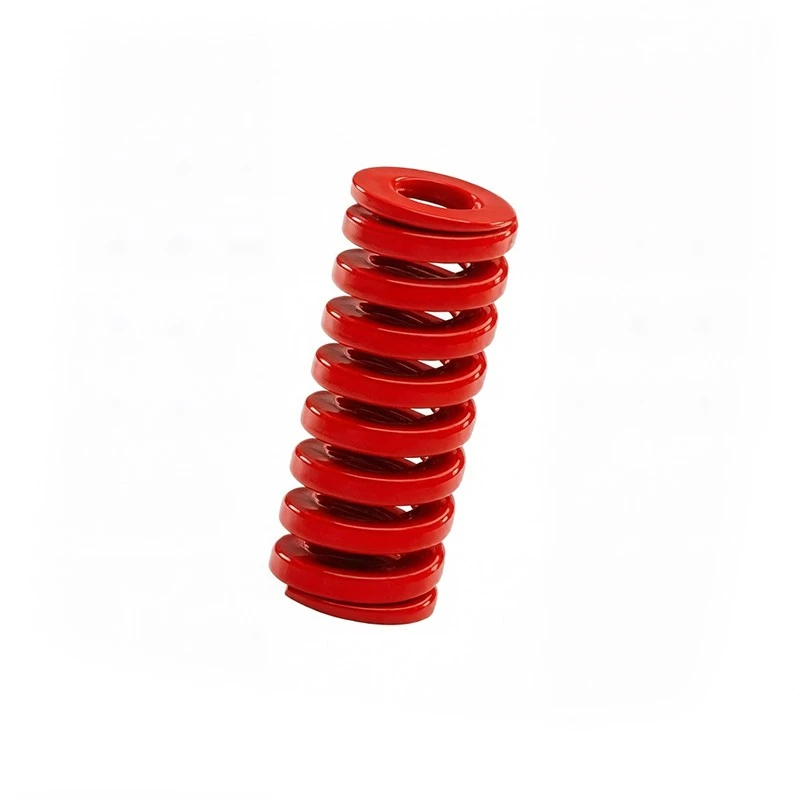
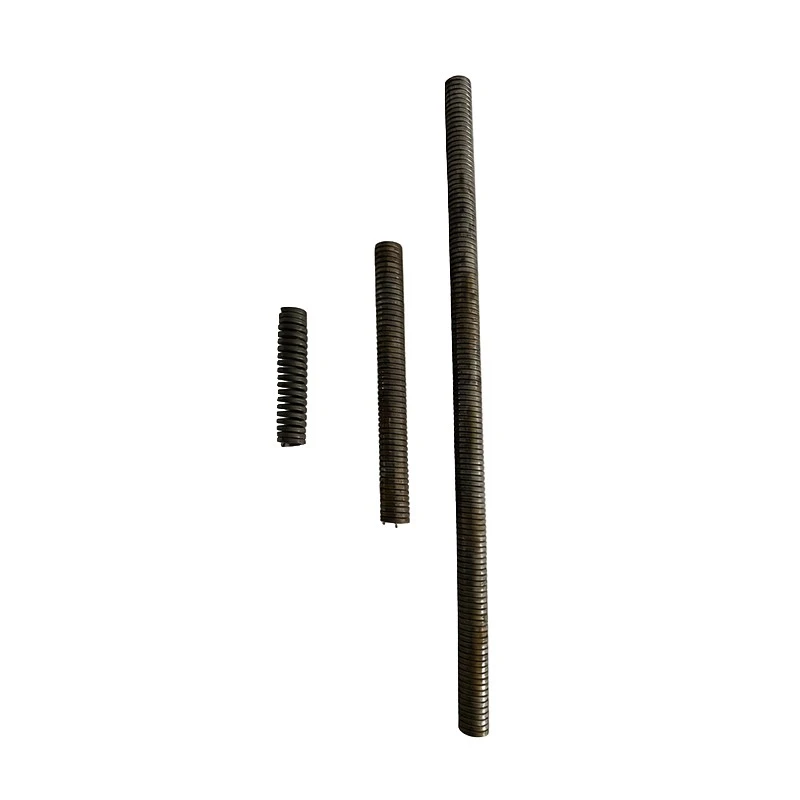
- Heavy - Duty Machinery: Square wire compression springs are used in heavy - duty machinery such as construction equipment and mining machinery, where high loads and durability are required. You can explore Square Wire Compression Spring for such applications.
- Power Tools: They are used in power tools such as drills and saws to provide the necessary force for the operation of the tool.
- Automotive Braking Systems: Square wire springs are used in automotive braking systems to ensure reliable and consistent braking performance.
6. Stainless Steel Compression Springs
Stainless steel compression springs are made from stainless steel, which offers several advantages over other materials.
Characteristics
- Corrosion Resistance: Stainless steel is highly resistant to corrosion, making these springs suitable for applications in harsh environments, such as marine and chemical industries.
- High Strength: Stainless steel has high strength, which allows these springs to withstand high loads and repeated cycles of compression and extension.
- Aesthetic Appeal: The shiny surface of stainless steel gives these springs an aesthetically pleasing appearance, which can be beneficial in applications where the spring is visible.
Applications
- Marine Industry: Stainless steel compression springs are used in marine applications such as boat fittings, anchors, and steering systems, where corrosion resistance is essential. You can find a wide range of Stainless Steel Compression Spring for marine use.
- Food and Beverage Industry: They are used in food and beverage processing equipment, where hygiene and corrosion resistance are important.
- Medical Industry: Stainless steel springs are used in medical devices such as surgical instruments and implants, where biocompatibility and corrosion resistance are crucial.
Conclusion
As a compression spring supplier, I understand the importance of choosing the right shape of compression spring for your application. Each shape has its own unique characteristics and advantages, and by selecting the appropriate spring, you can ensure the optimal performance and reliability of your product.
If you are in need of compression springs for your project, I encourage you to contact us for a consultation. Our team of experts can help you select the right shape, material, and size of compression spring to meet your specific requirements. We look forward to working with you to provide high - quality compression springs that will exceed your expectations.
References
- "Mechanical Springs Handbook" by Robert A. Wahl
- "Spring Design and Application" by William A. Gross